Introduction
For security hardware distributors, locksmith suppliers, and luxury furniture retailers across North America and global markets, product segmentation determines showroom profitability. Many commercial buyers mistakenly lump vertical security storage into a single category. However, the engineering tolerances, spatial layouts, load-bearing characteristics, and buyer psychology between luxury jewelry safes and commercial document safes are fundamentally distinct.
Understanding the custom interior engineering of these two product lines is vital for wholesale importers seeking to optimize their supply chains. Explore our specialized luxury jewelry safe collection to review technical specifications and commercial configurations.
1. Architectural Differences: Upholstered Compartmentalization vs Heavy-Duty File Storage
The structural design of an upscale jewelry safe begins with surface chemistry and micro-abrasion prevention. Luxury watches, diamond settings, and precious metals degrade when placed against hard steel surfaces or cheap felt containing volatile organic binders.
Plush Multi-Tier Organizers: High-end jewelry storage vaults incorporate multi-tier dedicated pull-out drawers lined with soft-touch velvet or supple leather padding. These trays integrate specialized ring roll grids, modular bracelet compartments, and cushioned watch pillows.
Standardized Office Ergonomics: By contrast, commercial document cabinets prioritize vertical volumetric efficiency. Their internal engineering accommodates standard A4 binders, folders, and heavy dossiers without bending.
2. Multi-Factor Access & Electronics: Elegant Aesthetics vs Corporate Multi-User Auditing
The locking interface reflects the distinct operational environments of these two security solutions. A residential safe in an executive walk-in wardrobe demands discreet luxury, while a commercial cabinet handles daily administrative workflows.
High-end jewelry safes utilize concealed, flush-mounted semiconductor fingerprint scanners paired with circular touchscreen LED displays. These panels blend into designer walk-in wardrobes and contemporary interior millwork. Advanced models feature hidden motorized pop-out handles that remain recessed until biometric authentication succeeds.
Commercial document cabinets, by contrast, frequently utilize dual-key management or dual-code access protocols. In corporate settings, two administrative custodians must present their physical keys or PINs simultaneously to open the door. This dual-custody architecture mitigates internal theft and satisfies enterprise risk mitigation mandates.
3. Physical Security Architecture: Laser Micro-Gap Tolerances and Deadbolt Arrays
While their interior layouts serve distinct storage purposes, both product lines rely on heavy-duty cold-rolled steel construction to deter physical forced entry. However, the mechanical focus differs based on anticipated threat profiles.
Micro-Clearance Laser Seams: Luxury jewelry safes require ultra-tight door seams (often under 0.5 mm) achieved through precision automated fiber-laser cutting. This micro-gap design leaves no purchase point for pry bars, wedges, or hand tools.
Multi-Directional Solid Deadbolts: The door is secured by multiple chrome-plated solid steel locking bolts (typically 25 mm to 32 mm in diameter) that lock directly into reinforced structural frame pockets.
Concealed Anti-Pry Hinges: Jewelry vaults utilize internal hinge assemblies to prevent external cutting attacks using angle grinders or cold chisels.
Classified Internal Lockboxes: Commercial document cabinets incorporate an independently locked internal steel drawer or lower secret base vault. This secondary steel compartment allows managers to isolate petty cash, corporate seals, or master deeds while keeping standard ledger shelves accessible to clerical personnel.
4. Retail Margins and Channel Merchandising: Sourcing Strategies for Wholesalers
For global security equipment importers and showroom operators, stocking both lines balances cash flow and profitability. Commercial document cabinets deliver predictable bulk turnover driven by enterprise procurement, corporate office fit-outs, and institutional supply tenders. They serve as the volume foundation for B2B distributors.
Luxury jewelry safes provide distributors with significantly higher gross retail margins. The fine exterior electrostatic finishes (such as champagne gold, textured anthracite, or pearl white) paired with handcrafted velvet drawers move the product out of the commoditized "metal box" category into high-end residential furnishings.
5. Factory OEM/ODM Capabilities and Transit Safeguards
Sourcing customizable security furniture from a tier-1 manufacturing facility protects profit margins and safeguards delivery schedules. Off-the-shelf suppliers cannot easily modify drawer compartment dimensions or provide tailored exterior color palettes for regional markets.
Flexible Modular Engineering: An integrated safe manufacturer offers rapid CAD prototyping for custom internal layouts. Wholesalers can specify the number of watch-winder modules, ring slots, or tempered glass shelves to match local consumer preferences.
Private-Label Branding: Direct OEM services support laser-engraved metal brand plates, custom silk-screened acrylic faceplates.
Sea-Freight Drop-Tested Packaging: Heavy safes with delicate internal drawers and glass shelves require industrial-grade packaging. Top manufacturers use fully enclosed high-density honeycomb foam corner guards, moisture-barrier wrapping, and multi-layer reinforced corrugated cartons to pass strict international drop tests.
Summary & Wholesale Partnership
Selecting between luxury jewelry safes and commercial document cabinets requires matching physical specifications, locking configurations, and interior engineering to the specific requirements of target end-users. While document cabinets deliver structural capacity for enterprise record-keeping, luxury jewelry vaults offer the refined craftsmanship demanded by upscale residential clientele.
As an established, vertically integrated safe manufacturer with extensive global export experience, we supply distributors, locksmith brands, and retail chain buyers with certified home safes, commercial steel cabinets, fireproof document vaults, and luxury jewelry security safes. Backed by large-scale production facilities and end-to-end OEM/ODM services, we provide competitive factory-direct pricing, flexible low MOQs, and engineering support.
You start by defining your project needs—part specifications, quantity, material, and deadlines. Clear communication with your provider minimizes errors and delays. Requesting online quotes streamlines the process. Choosing an experienced company like Jiaxin for custom metal stamping ensures reliable results.
-
High upfront tooling costs
-
Longer pre-production times
-
Costly design changes
-
Higher piece price costs
-
Effective communication reduces downtime
-
Timely responses foster trust
-
Transparency allows adaptation
Define Project Needs
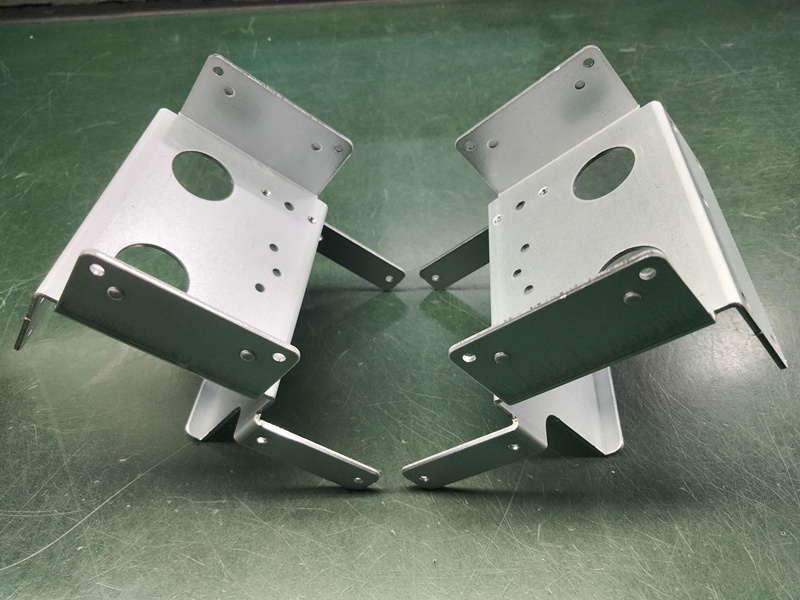
Specify Parts and Quantity
You begin by identifying the exact parts you need and the quantity required. Short-run orders typically range from 50 to 5,000 pieces, but you can scale up to hundreds of thousands or even millions over time. Clear communication about your volume helps providers optimize production and recommend the best approach for your custom metal stamping project.
|
Quantity Range |
|---|
|
50 to 5,000 parts |
|
Hundreds of thousands |
|
Millions over time |
Choose Materials and Tolerances
Selecting the right material is essential for manufacturability and performance. Steel, aluminum, copper, brass, titanium, precious metals, and nickel alloys each offer unique properties suited to different applications. For example, steel provides strength and versatility, while aluminum offers a high strength-to-weight ratio. You must also define tolerances, especially if you require Precision Metal Stamping Services. Tight tolerances, sometimes as fine as ±0.001 inches, ensure your Custom Metal Stamping Parts meet functional requirements and industry standards.
|
Material |
Properties |
Applications |
|---|---|---|
|
Steel |
Strength, cost-effective, magnetic |
Versatile, strong parts |
|
Aluminum |
Lightweight, conductive, recyclable |
Electrical, lightweight components |
|
Copper |
Conductive, corrosion-resistant |
Electrical devices, plumbing |
|
Brass |
Corrosion-resistant, flexible |
Solderable, strong parts |
|
Titanium |
Corrosion-resistant, strong |
Aerospace, medical devices |
|
Precious Metals |
Conductive, strong, corrosion-resistant |
Automotive, electronics, medical |
|
Nickel Alloys |
Durable, high-temp resistance |
Extreme conditions |
Tip: Engage with a metal stamping expert to select the best technique for your application. This ensures you achieve optimal quality and efficiency for your Metal Stamping Parts.
Set Deadlines and Budget
You establish clear deadlines and budget parameters at the outset. Budget constraints influence material and process selection, so you must align your choices with your financial goals. Delays often result from supply chain disruptions or material price volatility. You mitigate these risks by diversifying suppliers and maintaining transparent communication. Setting realistic timelines and budgets helps you avoid unnecessary expenses and ensures your custom metal stamping project stays on track.
-
Turnkey support streamlines project management.
-
Improved product quality results from better control over production stages.
-
Maximized savings in time and money without compromising quality.
Order Custom Metal Stamping Services
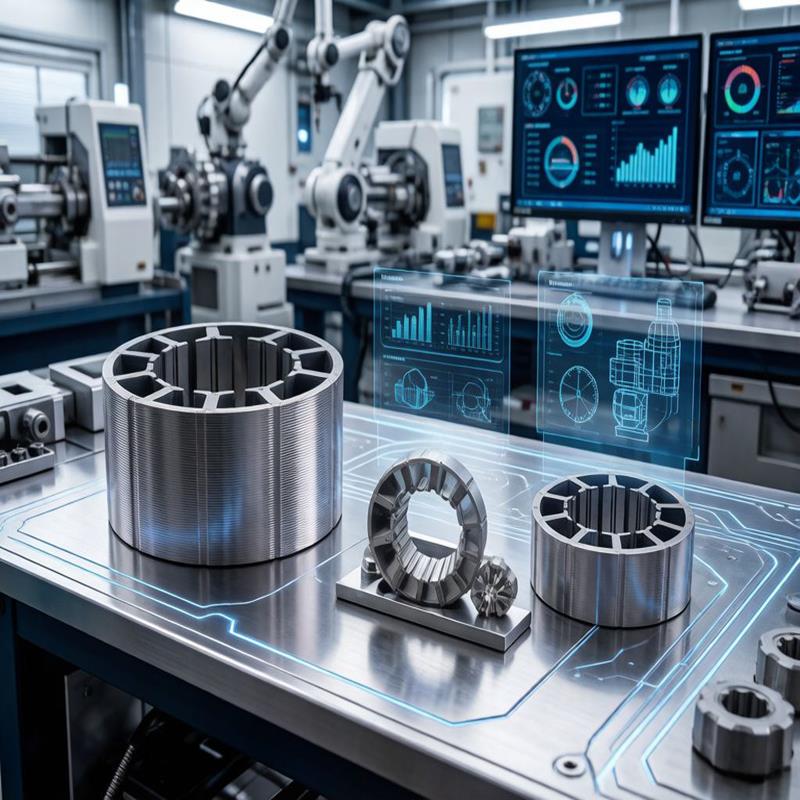
Research and Compare Providers
You should start by researching potential partners for your custom metal stamping project. Not all providers offer the same capabilities or quality standards. Evaluate each company based on technical expertise, production capacity, and customer support. Use the following table to compare key criteria:
|
Criterion |
Description |
|---|---|
|
Technical Capabilities |
Can the provider handle your required metals, part complexity, and thickness? |
|
Production Volume & Scalability |
Will they meet your current and future needs without sacrificing quality? |
|
Quality Assurance |
Do they hold certifications like ISO 9001 or AS9100? |
|
Lead Times & Flexibility |
Can they deliver on time and adapt to urgent changes? |
|
Cost Structure |
Are their pricing models transparent and competitive? |
|
Technological Integration |
Do they use advanced machinery and software for precision? |
|
Customer Support |
Are they responsive and clear in communication? |
|
Sustainability & Compliance |
Do they follow environmental and safety standards? |
Tip: Look for providers with certifications such as ISO 9001, AS9100, or ITAR compliance. These credentials show a commitment to quality and industry standards.
You can also check reviews and case studies to see how companies like Jiaxin have delivered reliable Metal Stamping Parts for clients in various industries.
Request Online Quotes
Once you have a shortlist of providers, request online quotes to compare costs and lead times. Accurate quoting depends on the information you provide. Prepare the following details:
|
Requirement |
Description |
|---|---|
|
Part Specifications |
Include dimensions, tolerances, and special features. |
|
Production Volumes |
State your estimated order size (e.g., 100–1,000 units). |
|
Material Types |
Specify the metals required for your parts. |
|
Tooling Information |
Indicate if you have existing tooling or need new tools made. |
|
Target Piece Price |
Share your budget per part if possible. |
|
Additional Information |
Attach CAD files, prints, or any special requirements. |
You should provide as much detail as possible to ensure the quote reflects your actual needs. This step helps you avoid unexpected costs and delays later in the process.
Submit Design Files and Requirements
After you select a provider, submit your design files and technical requirements. Most companies accept common file formats such as PDF, DWG, STEP, IGES, and DXF. Make sure your files are clear and under 50 MB in size.
Follow these best practices to ensure manufacturability and quality for your Custom Metal Stamping Parts:
-
Set the internal bend radius to at least 1.0–1.5 times the material thickness.
-
Maintain proper hole size and spacing based on material specs.
-
Keep minimum web spacing at least 1.0–2.0 times the material thickness.
-
Design internal corners with a radius of at least 0.5 times the material thickness.
-
Add bend relief at the ends of bend lines.
-
Specify burr direction for finishing.
-
Add stiffening features to large, thin areas.
Note: Use vector artwork for logos and keep cutout widths above 0.030" for clean results. Avoid placing logos near high-stress bends.
You should also communicate any special requirements for Precision Metal Stamping Services, such as tight tolerances or unique finishing needs.
Review Samples and Finalize Order
Before full production, request prototypes or short-run samples. This step allows you to test and validate your design. Providers like Jiaxin can deliver samples quickly, often within 7–10 business days for simple parts or 3–4 weeks for complex shapes.
|
Part Complexity |
Turnaround Time |
|---|---|
|
Simple parts (soft tools) |
7–10 business days |
|
Complicated shapes (hard dies) |
3–4 weeks |
Prototype and short-run services offer several advantages:
|
Advantage |
Description |
|---|---|
|
Cost-Effective |
Lower tooling and setup costs. |
|
Quick Turnaround |
Faster delivery for urgent needs. |
|
Customization |
Flexible designs and materials. |
|
High Precision |
Consistent quality with minimal waste. |
|
Low Risk |
Test designs before scaling up. |
|
Reduced Waste |
Efficient material usage. |
|
Flexibility |
Easy to adjust order size or design. |
|
Short Lead Times |
Meet tight deadlines. |
You should inspect each sample for dimensional accuracy, surface finish, and functional performance. This step ensures your Custom Metal Stamping Parts meet all requirements before you commit to a larger order.
Arrange Shipping and Delivery
Once you approve the samples, finalize your order and arrange shipping. Discuss delivery options with your provider. Many companies offer flexible shipping solutions, including expedited delivery for urgent projects. Confirm packaging requirements to protect your Metal Stamping Parts during transit.
Pro Tip: Maintain open communication with your provider throughout production and delivery. This approach helps you address any issues quickly and ensures your Precision Metal Stamping Services meet your expectations.
You should also review the provider’s quality control process. Ask about in-process inspections, final part checks, and documentation. Reliable partners will share their inspection reports and support continuous improvement for your future projects.
-
Review part data and CAD files for your Metal Stamping Parts.
-
Select materials and tolerances for Custom Metal Stamping Parts.
-
Request quotes, submit designs, and inspect samples.
-
Approve production and arrange shipping.
You gain reliable Precision Metal Stamping Services by partnering with established brands like Jiaxin.
FAQ
What is the minimum order quantity for custom metal stamping?
You can order as few as 10 Metal Stamping Parts. Short-run services support low volumes, making them ideal for prototypes or limited production.
How do you ensure quality for Precision Metal Stamping Services?
You receive in-process inspections and final checks. Providers use advanced equipment to guarantee your Precision Metal Stamping Services meet strict industry standards.
Can you modify designs after submitting files?
Yes. You can update your Custom Metal Stamping Parts design before full production. Early changes help you avoid extra costs and delays.
Why Metal Instead of Plastic?
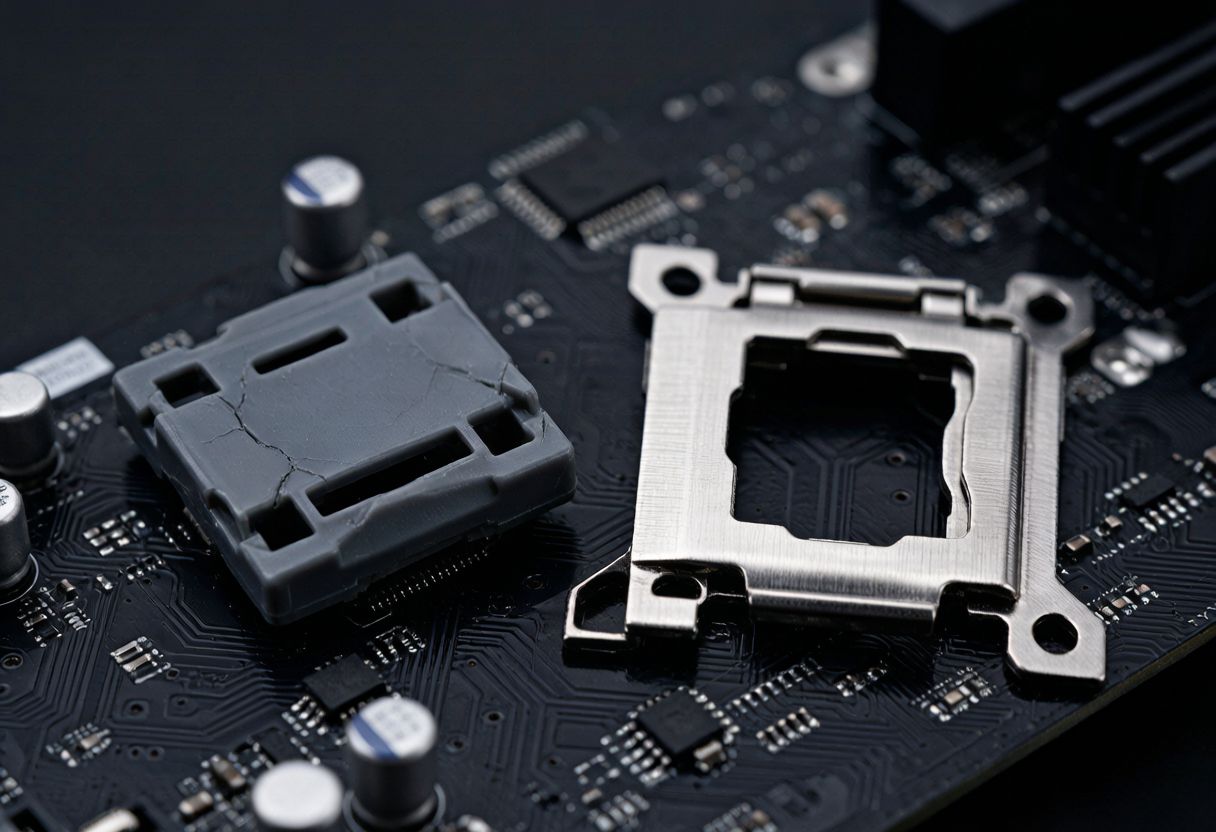
Most stock brackets are plastic. They’re cheap to mold, light to ship, and “good enough” for low loads. But once you bolt on a heavy dual-tower air cooler or a thick radiator, physics takes over. Plastic creeps under sustained pressure. It gets brittle with heat cycles. And when it fails, it usually takes your motherboard with it.
Our brackets are made through high-precision metal stamping, not injection molding. We use progressive dies to hold tolerances tight—typically within ±0.01 mm. That means the mounting holes actually line up the first time, without forcing screws or stressing the PCB. For system builders, that translates into fewer DOAs and a lot less on-site troubleshooting.
Built for the Sockets You Actually Use
We focus on what’s relevant in the market right now:
●Intel LGA 1700 / 1200 / 115x
●AMD AM5 / AM4
Whether you’re assembling gaming rigs, workstation towers, or dense server nodes, our stamped brackets provide a consistent, repeatable fit. No guessing, no shims, no “it might work” solutions.
A Note on Materials and Finish
Depending on the application, we typically run these brackets in high-grade cold-rolled steel or aluminum alloy. Steel gives you maximum rigidity for heavy coolers; aluminum keeps weight down when that matters—say, in rackmount or blade systems.
Surface treatment isn’t an afterthought either. Electrophoresis coating, nickel plating, or anodizing isn’t just cosmetic. It keeps corrosion at bay during storage and transit—especially important for our overseas customers dealing with high humidity. On top of that, it improves grounding continuity and gives you better ESD protection when you’re handling sensitive components.
Here’s the real-world win most people overlook: less board flex.
Once you start bolting on heavier cooling gear, motherboard sag becomes a genuine concern. This design helps spread the load and stiffen the board, so you’re not stressing solder joints or delicate traces every time you move the system or tighten a screw.When a large heatsink pulls down on weak mounting points, the board bows slightly. Over time, that can affect CPU contact, memory seating, and even PCIe slots. Our metal brackets distribute the load evenly across the retention area, which noticeably reduces flex—especially on thinner ATX and mATX boards.
Customization Without the Headaches
We’re not just a catalog shop. As a stamping manufacturer, we handle our own tooling. If your project needs a non-standard thickness, an insulated version, or a private-label bracket for your brand, we can turn it around quickly. Many of our OEM customers come to us specifically because they need small changes that off-the-shelf parts can’t provide.
About Xiamen JX Precise Metal
We’ve been doing precision metal stamping since 2002. With 17,500 m² of production space and in-house die design, we supply metal components to PC hardware brands, industrial equipment makers, and electronics manufacturers worldwide. The CPU bracket is a small part of what we do—but it’s a good example of how we think: solve real problems with better metal.
Looking for a more reliable CPU mounting solution?
If you’re sourcing brackets for production or want to evaluate a sample before your next build cycle, reach out. We’ll send you specs, pricing, and—if needed—a few samples so you can see the difference yourself.
What it actually does
●Fits properly
No warping, no gaps. We hold tolerances tight (±0.05mm), so it sits flush against the chassis—whether it’s ATX, Micro-ATX, or Mini-ITX.
●Doesn’t cook your hardware
Ventilation isn’t an afterthought. We lay out the airflow slots based on real thermal needs, not just aesthetics.
●Feels solid
Made from 6061-T6 aluminum. Light enough to handle easily, stiff enough to stop flexing when you tighten screws.
●Installs without drama
Pre-punched holes line up the first time. Optional magnetic trim if you want tool-free access.
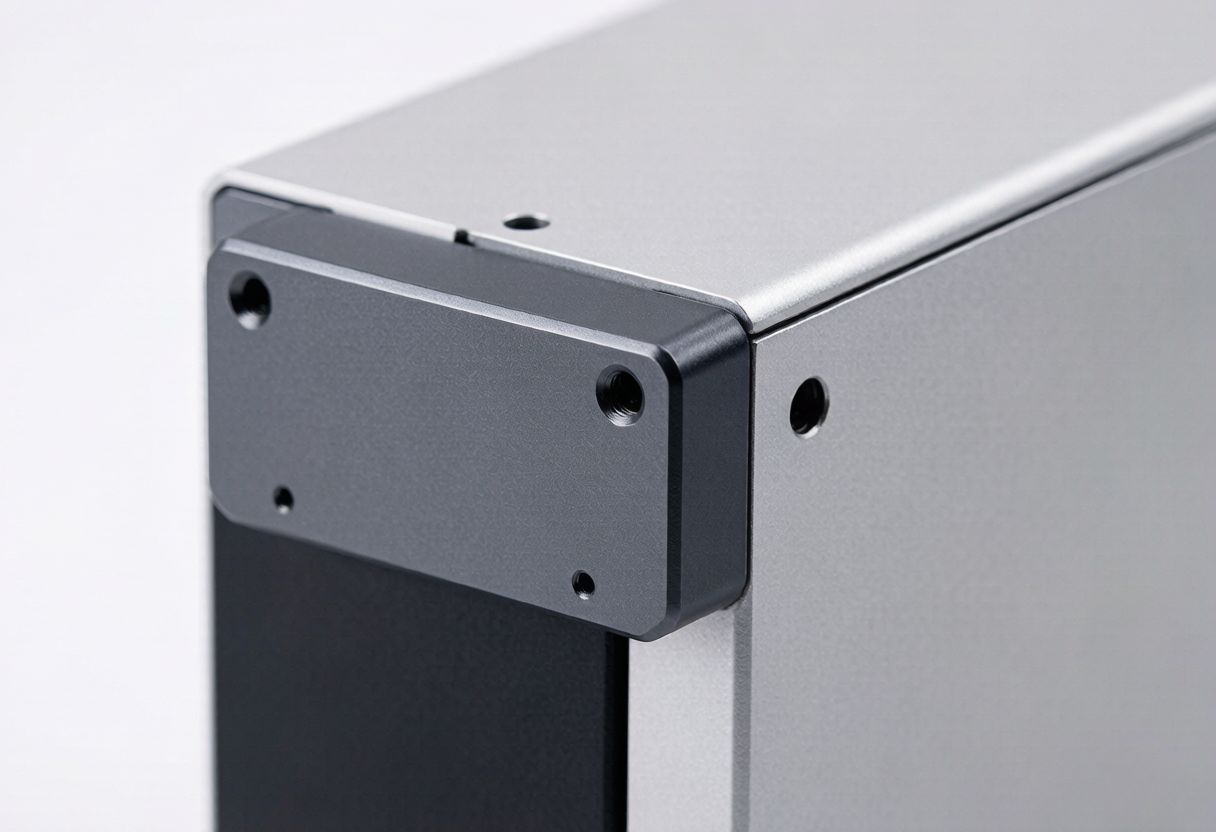
Why people buy from us
●We’re the factory—you’re not paying a middleman markup.
●Small batches welcome; we don’t force huge MOQs unless you want pricing breaks.
●We’ll tweak thickness, finish, or cutouts to match your build—no “take it or leave it.”
●Anodized finishes that don’t scratch off after two installs.
Quick specs
●Material: 6061-T6 aluminium.
●Thickness: 1.2mm (0.8–2.0mm available).
●Finish: Matte anodized (black/silver/custom).
●Mounting: Screw holes standard; magnetic option available.
●Compatibility: ATX / Micro-ATX / Mini-ITX cases.
Who it’s for
●Gamers tired of flimsy side panels.
●Workstation builders who care about thermals.
●System integrators needing consistent quality across batches.
●Brands looking for white-label or private-label covers.
How we usually work with customers
1.You send over a drawing, sample, or even a rough sketch.
2.We confirm fitment and material, sometimes suggesting small changes that save cost or improve cooling.
3.You approve a sample (usually 7–10 days).
4.We run production and ship—DDP available if you don’t want customs headaches.
A note from the shop floor
We’ve stamped thousands of these. The difference between “good enough” and “actually good” usually comes down to three things: flatness, hole alignment, and edge finish. We check all three before anything leaves the building.
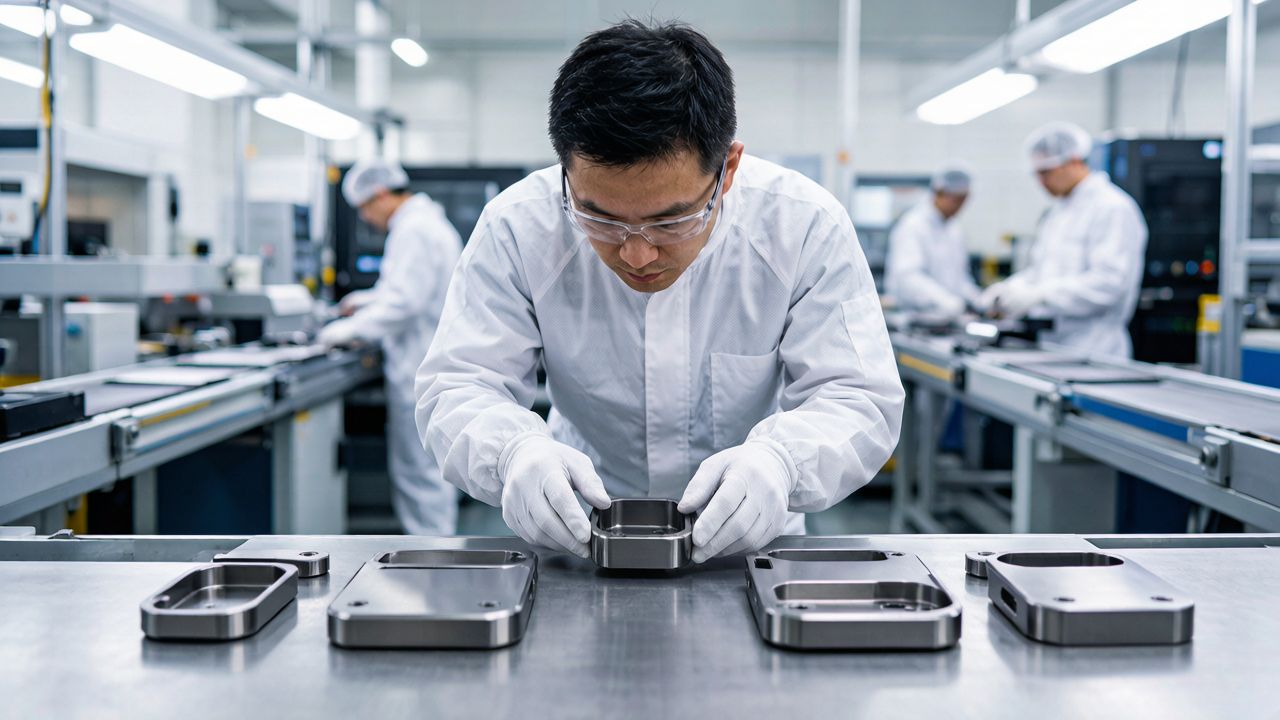
If you’re comparing suppliers, ask them how they handle edge burrs and flatness tolerance. Then compare answers.
Want to see if this fits your project?
Send over your case model or a simple drawing. We’ll tell you straight whether it works—and if not, what would.
For the past two decades, we’ve watched the new energy industry explode. Everyone—from engineers to investors—loves talking about battery cells. We discuss cathode chemistry, cycle life, and energy density. It’s the glamorous side of the business.
But if you ask anyone on our factory floor—or me, after 20+ years of “playing with copper”—we’ll tell you the same thing: the real reliability of a battery pack doesn't start with the cell; it starts with the busbar.
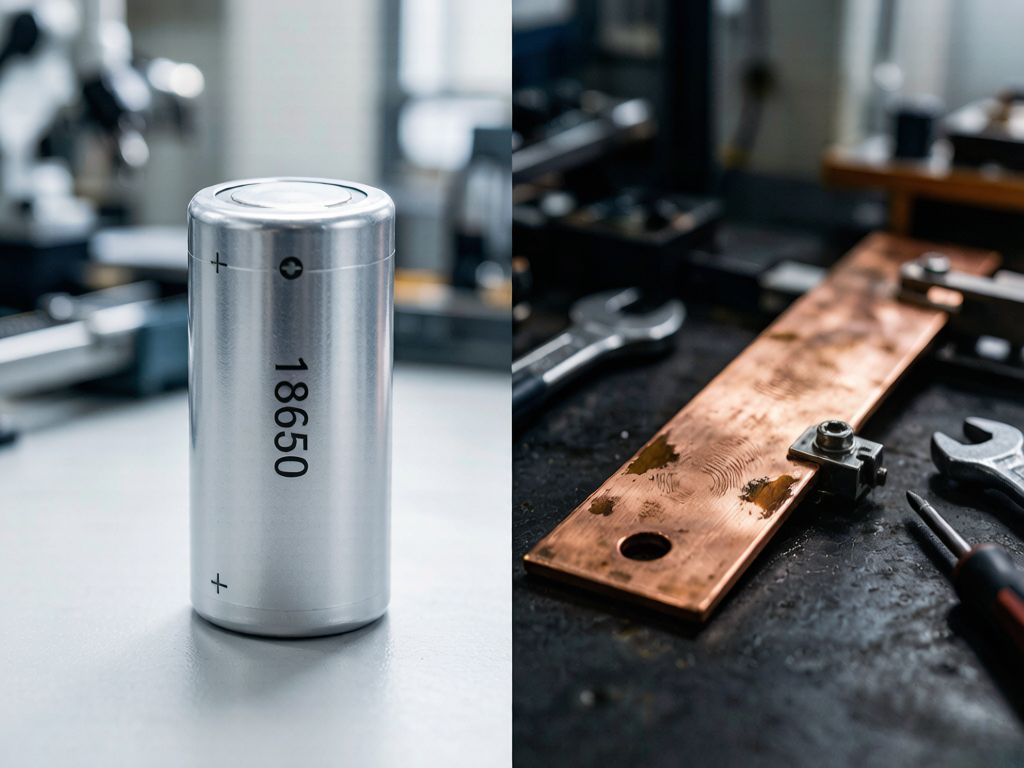
The Hidden Bottleneck
It’s easy to overlook a strip of copper. But if the busbar isn't right, all that fancy energy density turns into waste heat. In the world of 800V EV platforms and 1500V systems, the margin for error is gone.
We learned early on that you can’t just cut copper and call it a day. You have to think about how it behaves under stress.
Rigid vs. Flexible: Lessons from the Field
One of the biggest shifts we’ve seen is the move toward laminated flexible busbars.
In the early days, everyone used solid copper bars. They look tough, but they have a fatal flaw: stress accumulation. When an EV hits a pothole or a storage container shifts during transport, a rigid bar doesn't bend; it transfers that shock straight to the battery terminal. That’s how you get microfractures and leaks.
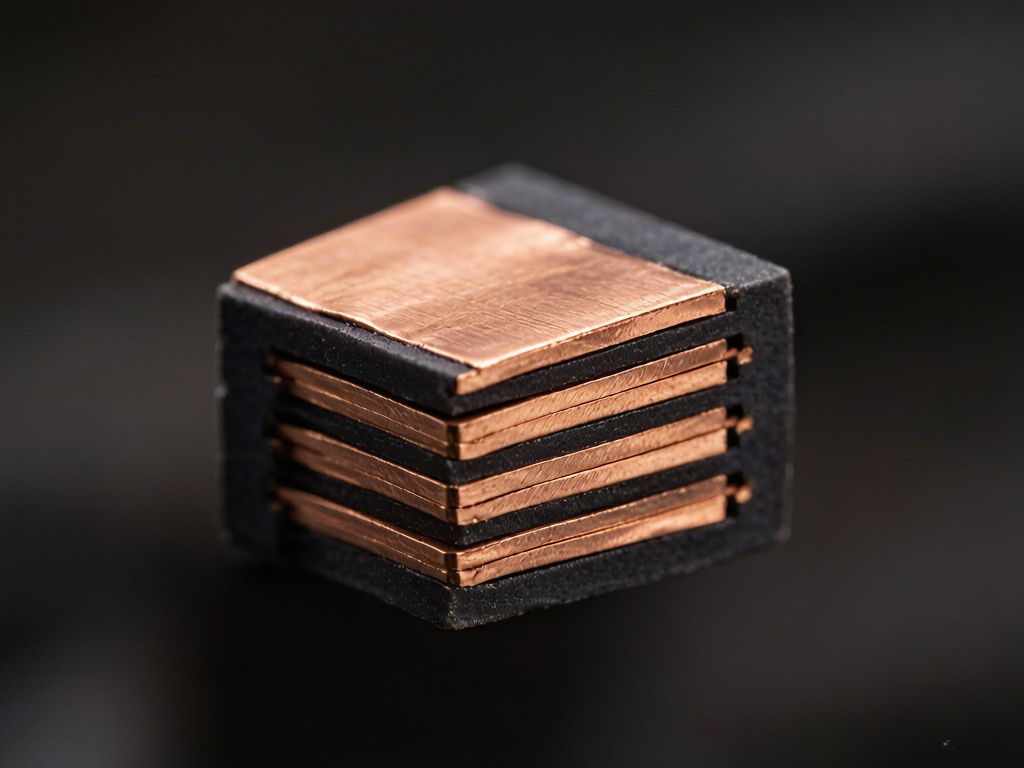
That’s why we doubled down on molecular diffusion welding. Unlike old-school riveting or brazing, this process bonds copper foil at a molecular level. It creates a seamless connection that handles high currents while acting like a shock absorber. It bends so the battery doesn't have to.
The Death of "Cheap"
Here’s a reality check for procurement teams: the era of buying the cheapest busbar is over.
We’ve seen too many projects fail because someone saved $0.50 on a part that couldn't handle the amps or failed a salt spray test. Today, our customers—the smart ones—ask about nickel plating thickness and vibration test reports before they even ask about the price. And honestly? We prefer it that way. It means we’re having a conversation about quality, not just cost.
Integration: Doing More with Less
Space is always at a premium inside a battery pack. That’s why we’ve moved heavily into integrated Cell Contact Systems (CCS). By laminating the signal-acquisition FPC and temp sensors directly onto the busbar, we help our clients cut down on loose wiring. It reduces assembly time on the line and takes a lot of human error out of the equation. Less screwing around with wires means higher reliability in the field.
Built for the Extremes
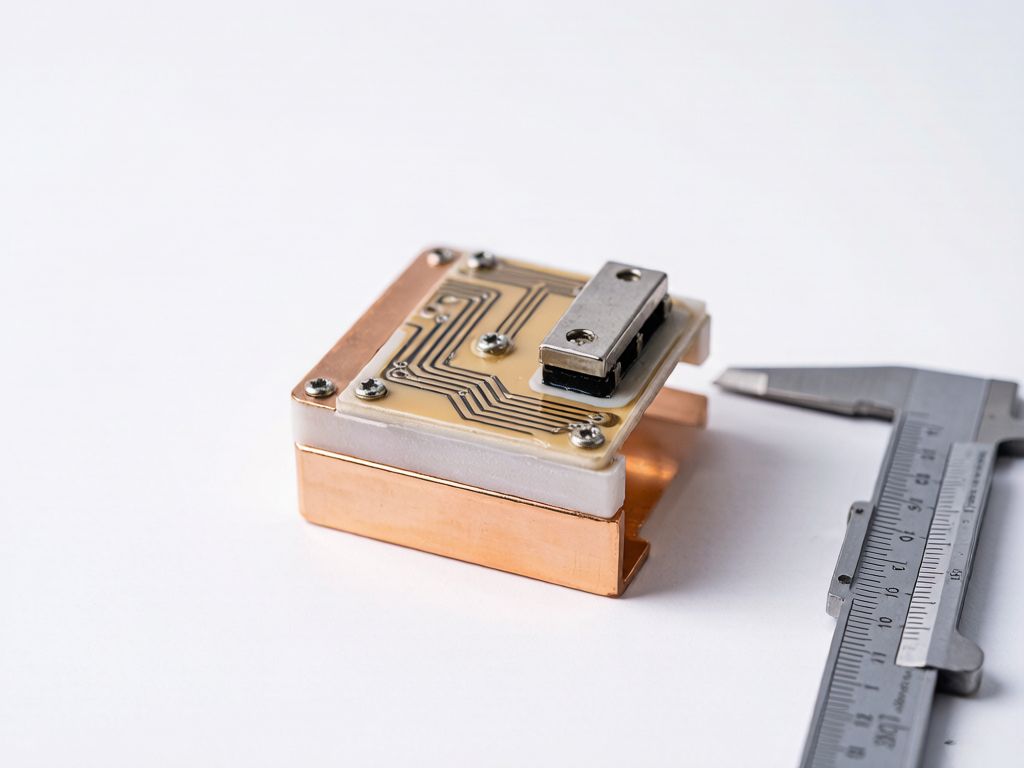
Whether it’s the humidity of a coastal wind farm or the temperature swings in an electric truck’s battery bay, we engineer our parts to last. We stick with high-purity T2 copper and halogen-free insulation. Why? Because when you’re dealing with -40°C winters or a battery bay hitting 150°C in the summer, there’s no room for 'good enough
Final Thoughts
At the end of the day, a busbar isn't just a piece of metal; it’s the vascular system of your power solution. If the blood isn't flowing smoothly, nothing else matters.
If you’re working on a new design and running into thermal or spatial constraints, don't hesitate to reach out. We've probably seen the problem before. Even if we can't help, we’re happy to point you in the right direction.
The Real Challenge: Flatness and Springback
From a tooling perspective, the hardest part isn't the cut; it's the flatness. We’re typically chasing a tolerance of ±0.05mm to ±0.1mm across the entire plane.
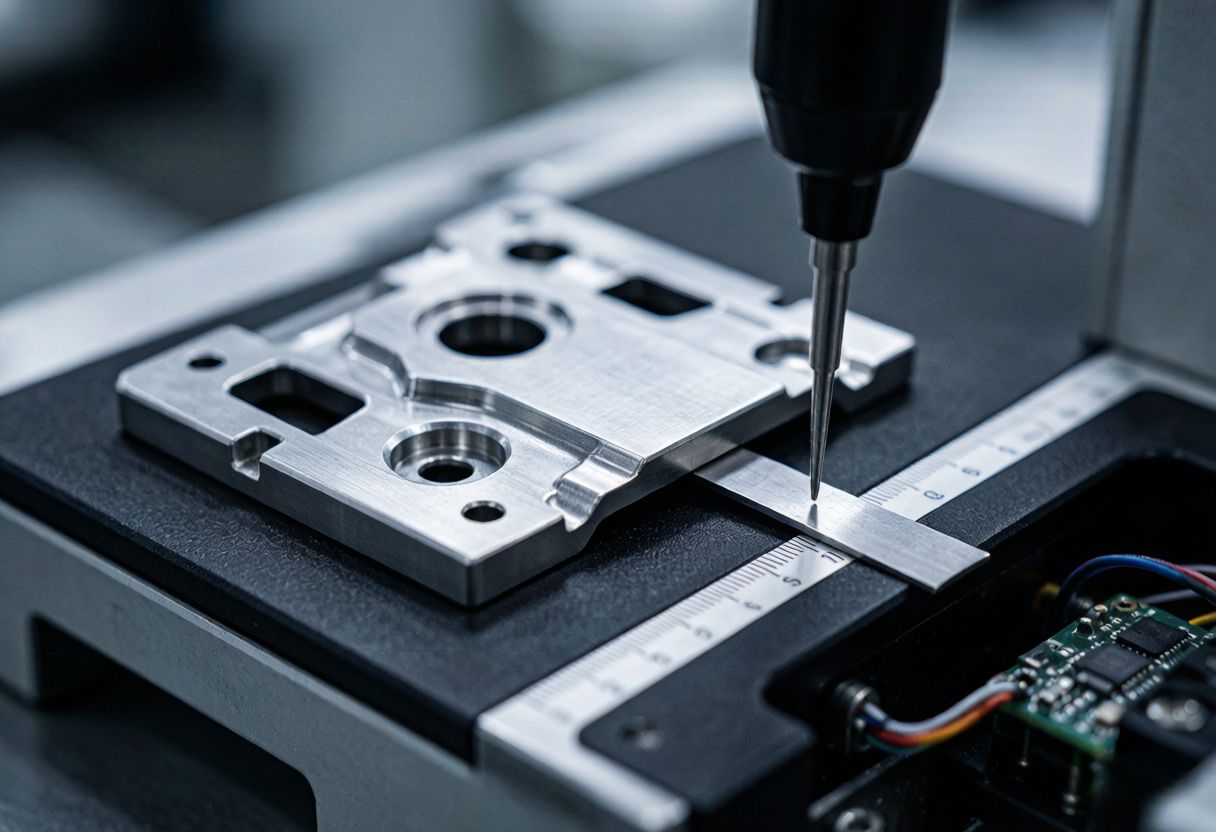
Steel has memory. When you bend those little legs or add stiffening ribs, the material wants to spring back. If your die design doesn't compensate for this, or if your tonnage is inconsistent, you get twist (camber). In a data center environment, that twist translates to heat—and heat kills hardware.
Why Stainless is Taking Over (Slowly)
While SECC rules the PC market, we’re seeing a big shift toward SUS301 Half-Hard for AI accelerators and enterprise gear. These chips run hot, and the coolers are heavy. Stainless gives you better yield strength and corrosion resistance, but it’s brutal on tooling. You need premium carbide inserts and aggressive lubrication strategies just to keep the press running.
Surface Matters More Than You Think
Most buyers just ask for "Zinc Plating" (Blue or Color). But here’s a pro tip: if that bracket is also acting as an EMI shield or a ground path, standard plating might create an insulating layer. We often have to mask specific areas or switch to conductive oxides to ensure the chassis ground is solid. It’s a small detail that causes big headaches during EMC compliance testing.
The Shift to Kitting
OEMs don't want loose parts anymore. They want the bracket, the springs, the shoulder screws, and the thermal pads pre-assembled into a single kit. This means we’re doing more than just stamping now—we’re managing supply chains for fasteners and running automated riveting lines. It’s less about the metal and more about the logistics.
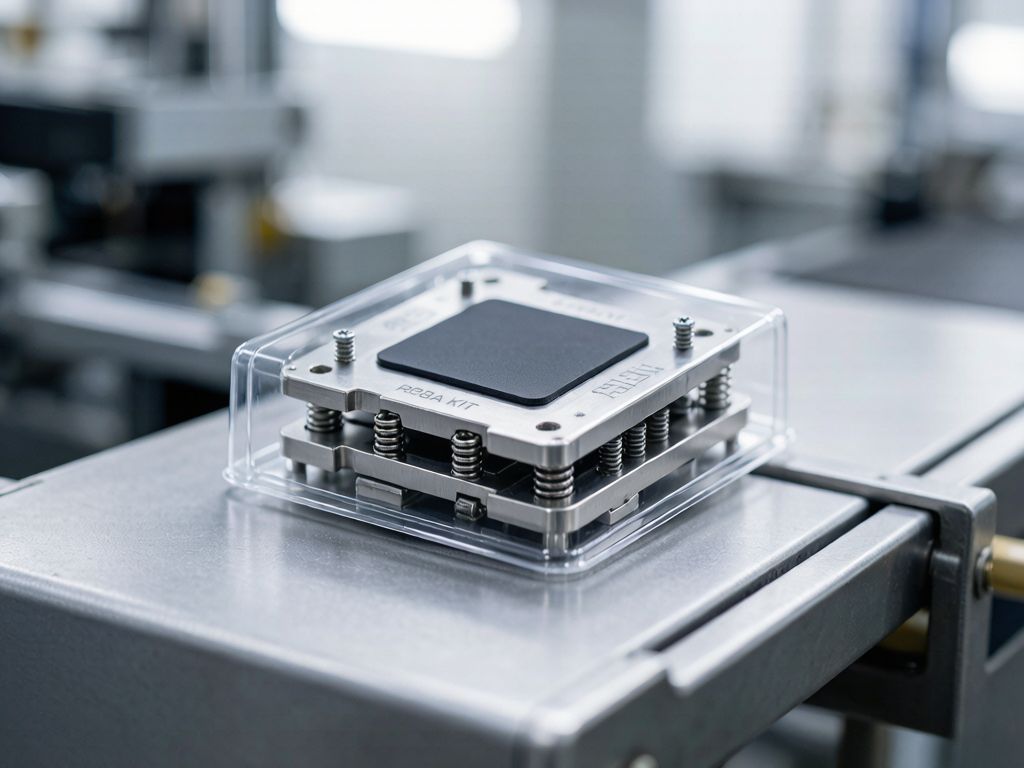
Bottom line: The next time you see a CPU Mount Bracket, look closer. If it’s dead flat and the holes line up perfectly without forcing it, there’s some serious stamping know-how behind it.
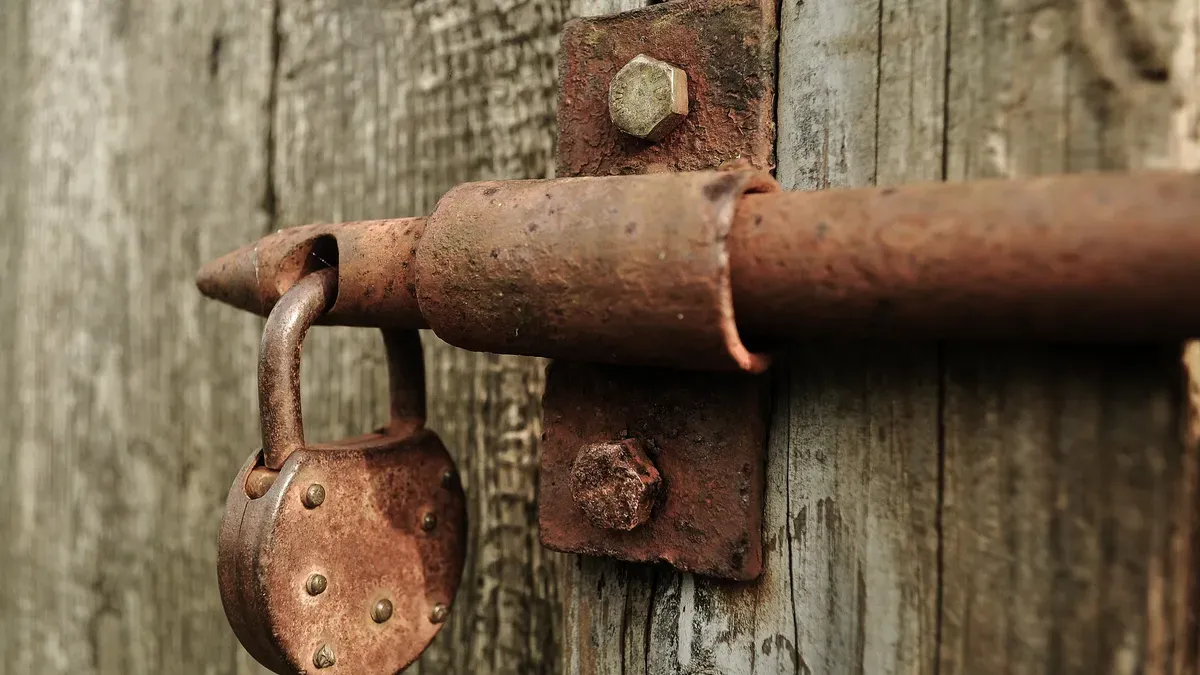
You need reliable energy storage hardware that can stand up to harsh conditions. Corrosion can damage your system and put safety at risk. Over the past decade, the demand for corrosion-resistant hardware has grown fast because renewable energy projects are spreading, especially near the coast where salty air speeds up rust. Galvanized New Energy Storage Hardware gives you a strong solution. The Adjustable Galvanized New Energy Storage Hardware shows how new designs can help you protect your investment and keep your energy system working safely.
Key Takeaways
-
Galvanized New Energy Storage Hardware protects against corrosion with a zinc coating that acts as a barrier and sacrificial layer.
-
Choosing corrosion-resistant hardware can extend the life of your energy storage system, saving you money on repairs and replacements.
-
Regularly check your hardware for signs of corrosion to catch issues early and maintain system reliability.
-
Adjustable designs of galvanized hardware make installation easier and compatible with various battery types and layouts.
-
Implement best practices, like using non-conductive materials and ensuring proper drainage, to optimize the longevity of your energy storage hardware.
Corrosion Risks in Energy Storage
Common Causes and Environments
You face many challenges when you protect energy storage systems from corrosion. Different types of systems operate in unique environments, and each one brings its own risks. The table below shows how various energy storage systems experience corrosion:
|
Energy Storage System Type |
Environmental Factors Contributing to Corrosion |
|---|---|
|
Long-Duration Energy Systems |
Aggressive electrochemical environments, reactive electrolytes, varying pH conditions, electrochemical potentials |
|
Lithium-Ion Batteries |
Pitting corrosion in aluminum current collectors from fluoride ions, copper oxidation during overcharge |
|
Flow Batteries |
Highly acidic or alkaline electrolytes, especially in vanadium redox flow batteries with sulfuric acid |
|
Compressed Air Energy Storage |
Moisture ingress, salt contamination, temperature fluctuations |
|
Thermal Energy Storage |
High-temperature chloride and nitrate salt mixtures attacking structural steels and heat exchangers |
|
Hydrogen Energy Storage |
Hydrogen embrittlement, high-pressure environments causing cracking in vessels and pipelines |
Effects on System Reliability
Corrosion does more than just make hardware look old. It can shorten the life of your energy storage system. When corrosion attacks metal parts, it weakens them and can cause leaks or even system failure. You might see a drop in efficiency or face sudden breakdowns that put safety at risk.
You also need to think about costs. Corrosion can lead to expensive repairs and replacements. Many system operators now focus on the total cost of ownership, not just the upfront price. Durable, corrosion-resistant materials help you avoid frequent maintenance and keep your system running longer. By choosing the right hardware, you protect your investment and ensure reliable performance for years to come.
Galvanized New Energy Storage Hardware Overview
What Makes Hardware Galvanized
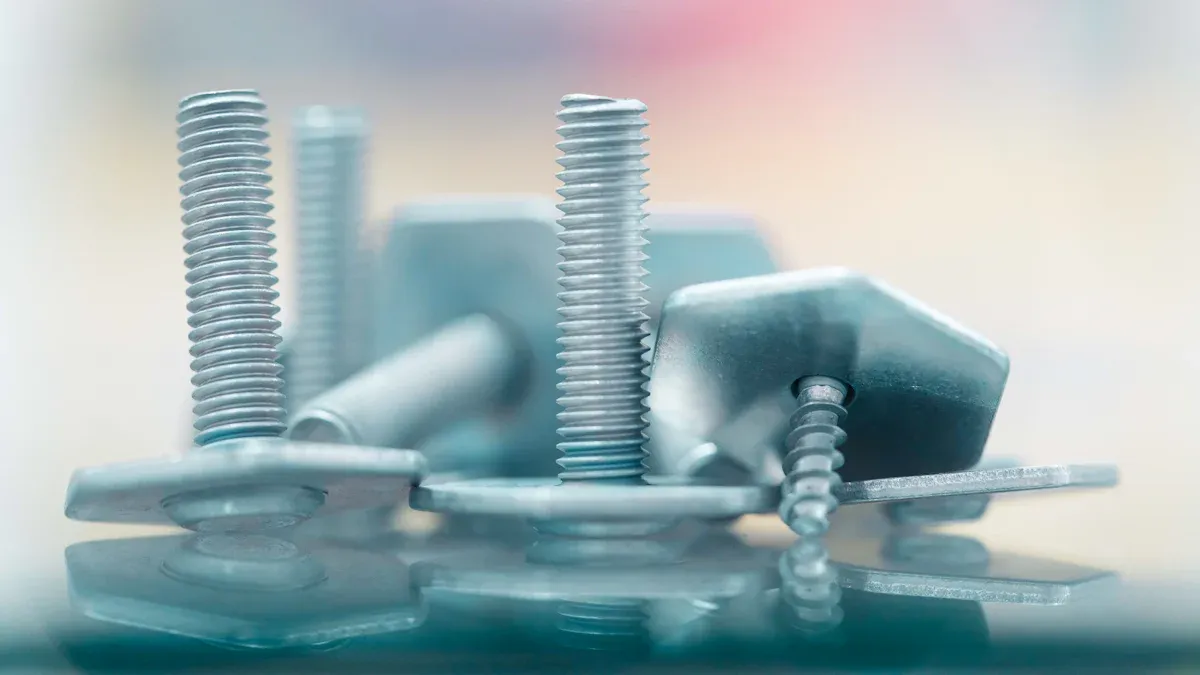
When you choose hardware for your energy storage system, you want it to last. Galvanized hardware stands out because it uses a special process to protect steel from rust and damage. In this process, manufacturers coat the steel with a layer of zinc. This zinc layer does more than just cover the metal. It acts as a shield that keeps out water, air, and other things that cause corrosion.
-
The zinc coating forms a barrier, so steel does not touch moisture or oxygen.
-
Zinc reacts first when exposed to the environment. It sacrifices itself to stop rust from reaching the steel underneath.
You get two levels of protection. The barrier keeps out harmful elements, and the zinc gives up itself to save the steel. This makes galvanized hardware a smart choice for places where you face rain, salt, or chemicals.
Key Features and Benefits
You need hardware that can handle tough jobs in electric vehicle charging stations, solar farms, and wind turbines. The Adjustable Galvanized New Energy Storage Hardware gives you that strength and flexibility. It uses high-quality SPCC steel and a galvanized surface, so you get strong protection against corrosion and weather.
Here are some key features and benefits you will find:
|
Feature or Benefit |
How It Helps You in Renewable Energy Storage |
|---|---|
|
Corrosion Resistance |
Shields your system from UV rays, salt spray, and humidity. |
|
Extended Service Life |
Keeps your system running for over 25 years, saving money. |
|
High Tensile Strength |
Holds up under stress in wind and solar installations. |
|
Compliance with Standards |
Meets UL and IEC safety rules for reliable performance. |
|
Electrical Bonding Capability |
Supports safe grounding in solar and wind systems. |
You also get the advantage of adjustability. The Adjustable Galvanized New Energy Storage Hardware fits many battery sizes and shapes. This makes your installation easier and faster.
|
Benefit |
Description |
|---|---|
|
Flexibility |
Lets you install and maintain hardware with less effort. |
|
Compatibility |
Works with both bolted and welded setups. |
|
Adaptability |
Adjusts to different battery types and layouts. |
You can install this hardware quickly, which saves you time. You do not need special tools or skills. The design supports both bolted and welded connections, so you can use it in many settings.
You want safety and reliability. This hardware delivers both. The strong SPCC material and galvanized finish protect your investment. The adjustable design makes your job easier, whether you work with EVs, solar panels, or wind turbines. When you choose Galvanized New Energy Storage Hardware, you get a solution that lasts, saves money, and keeps your system safe.
Corrosion Protection Mechanisms
Physical Barrier
You need a strong shield to keep your energy storage hardware safe from rust. Galvanized coatings give you this protection. When you use galvanized steel, a layer of zinc covers the surface. This zinc layer acts as a tough, continuous barrier. It keeps out water, air, and other things that cause corrosion.
Zinc coatings create a continuous, impervious metallic barrier that prevents moisture from contacting steel, which is essential for preventing corrosion.
The effectiveness of the barrier depends on the thickness of the zinc coating. Thicker coatings last longer and give you more protection.
Zinc also acts as a sacrificial anode, which means it will corrode first before the steel does.
You can see the difference in protection by looking at the thickness of the coating:
|
Coating Typ |
Thickness Range |
Corrosion Resistance |
|---|---|---|
|
Hot-dip Galvanized |
3.0 - 5.0 mils (75-125 micrometers) |
Superior, ideal for harsh environments |
|
Electro-galvanized |
0.2 - 1.0 mils (5-25 micrometers) |
Moderate, requires maintenance |
If you choose Galvanized New Energy Storage Hardware, you get a product with a zinc barrier that stands up to tough weather and keeps your system safe.
Self-Healing Properties
Galvanized coatings do more than just block and sacrifice. They also have self-healing properties. When small scratches or damage happen, the zinc can still protect the exposed steel. The coating forms a passive, self-healing layer. This layer keeps working, even if you see minor damage.
Galvanized coatings use a multi-layered defense system. The passivation layer protects the zinc coating and ensures that sacrificial protection continues. This means your hardware stays protected for a long time, even in harsh conditions. You can trust that your energy storage system will keep working, year after year.
Comparing Solutions
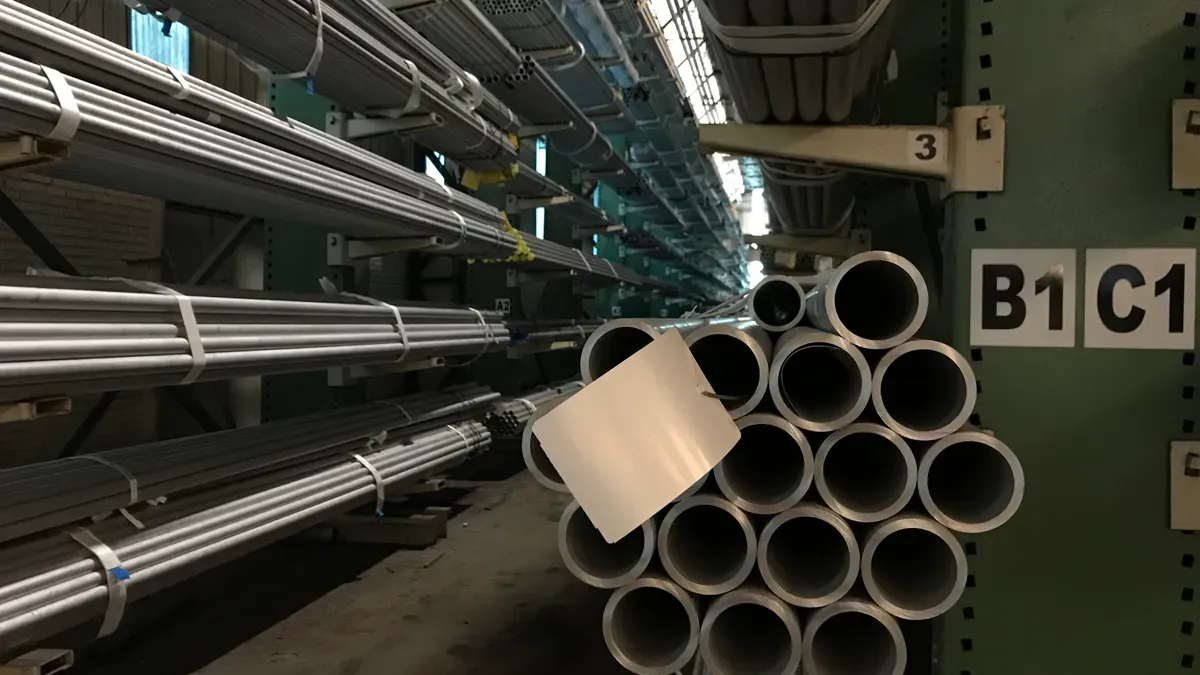
Galvanized vs. Stainless Steel
You may wonder how galvanized hardware compares to stainless steel in energy storage systems. Both materials protect against corrosion, but they work in different ways.
Galvanized steel uses a zinc coating. This coating acts as a barrier and a sacrificial layer. It protects the steel from water, air, and chemicals.
The zinc layer gives you long-term protection. It works well in outdoor areas, marine environments, and places with changing temperatures.
Galvanized steel performs well when you face humidity, chemical exposure, or temperature swings.
Stainless steel contains chromium. This element gives it strong resistance to rust and corrosion.
You often choose stainless steel for high-purity or high-heat settings. It works best in special energy storage systems where these conditions matter most.
You can use galvanized hardware for most energy storage projects. Stainless steel fits best in places with extreme heat or where you need very clean conditions.
Here is a simple table to help you compare:
|
Type of Hardware |
Initial Cost |
Total Cost of Ownership |
|---|---|---|
|
Galvanized |
Lower |
Potentially higher over 25 years |
|
Stainless Steel |
Higher |
Often lower over 25 years |
Tip: If you want a balance of cost and protection, galvanized hardware gives you strong value. For special needs, like high heat or purity, stainless steel may be the better choice.
FAQ
How does galvanized hardware protect against corrosion?
Galvanized hardware uses a zinc coating. This coating forms a barrier that blocks water and air. If the coating gets scratched, the zinc sacrifices itself to protect the steel underneath.
Can you use galvanized hardware outdoors?
Yes, you can use galvanized hardware outdoors. The zinc layer stands up to rain, sun, and salty air. It works well in places like solar farms, wind sites, and EV charging stations.
Is galvanized hardware easy to install?
You will find galvanized hardware simple to install. Most products fit standard tools and setups. Adjustable designs let you match different battery sizes and layouts without extra effort.
Does galvanized hardware work with other metals?
You can use galvanized hardware with other metals, but you should avoid direct contact with copper or aluminum. Use washers or pads to separate different metals and prevent galvanic corrosion.
1. Prioritize High-Grade Materials
Material determines longevity. Avoid thin plastic or low-grade zinc alloy—they warp under heat and vibration.
Stainless Steel (SUS304): Best for durability. Resists oxidation, withstands thermal cycling, and supports heavy coolers without bending.
Anodized Aluminum: Lightweight yet rigid, with corrosion resistance ideal for mid-range builds.
Reinforced Engineering Plastic: Only for light, stock coolers; not recommended for 24/7 operation or high-end setups.
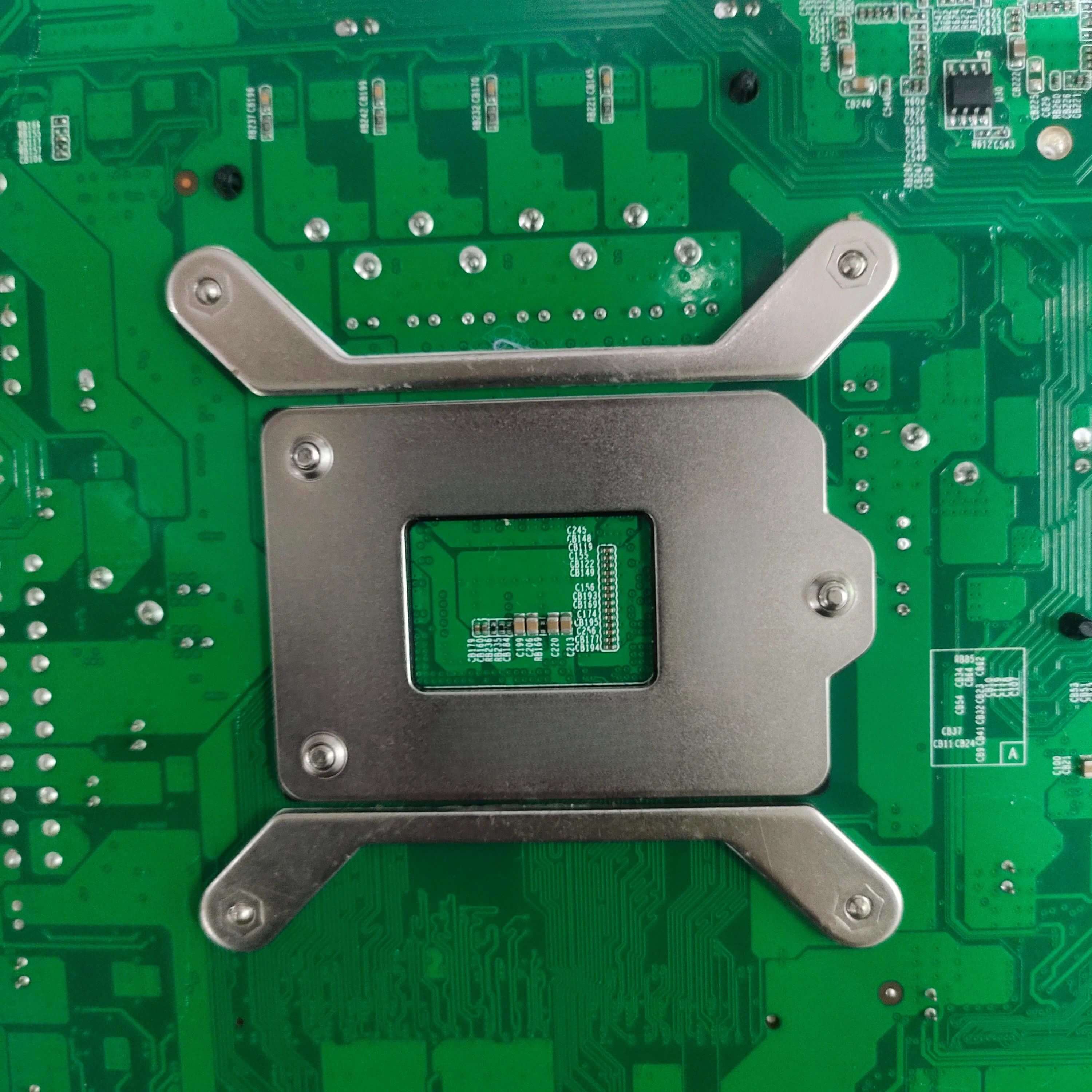
2. Ensure Exact Socket Compatibility
A misaligned bracket causes uneven pressure, overheating, or bent CPU pins.
Match your socket: LGA1700/1851 (Intel 12th–15th Gen), AM4/AM5 (AMD Ryzen), LGA115X, etc.
Prefer precision-machined holes (±0.05mm tolerance) for a snug fit.
Universal brackets work for multiple sockets but verify they don’t block VRM components.
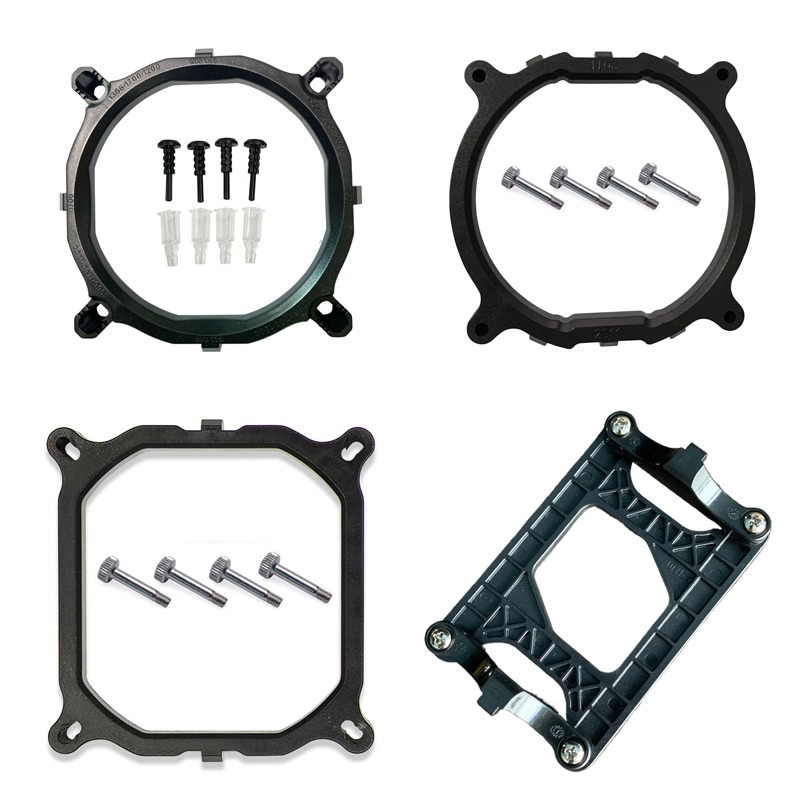
3. Check Robust Mounting Mechanisms
Weak fasteners loosen over time, leading to cooler shifting and thermal performance drops.
Spring-Loaded Screws: Maintain constant pressure, compensating for thermal expansion.
Thick Backplates (3mm+): Distribute cooler weight evenly, reducing motherboard flex.
Stainless Steel Hardware: Resist stripping and rust; avoid plastic or low-grade steel screws.
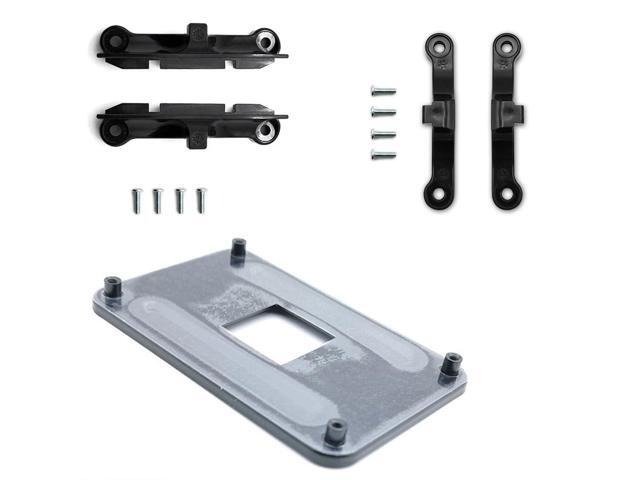
4. Verify Structural Rigidity & Build Quality
Durable brackets withstand repeated installations and long-term vibration.
Thickness: 3mm+ for metal brackets; thin 1–2mm models warp easily.
Finishes: Anodized or powder-coated surfaces prevent oxidation and wear.
Reinforced Joints: No weak spots at screw holes or connection points.
5. Bonus: For Heavy-Duty & 24/7 Use
Anti-Vibration Pads: Reduce resonance and protect solder joints.
Warranty: Premium brackets often include 1–3 year coverage.
Brand Reliability: Choose reputable manufacturers for consistent quality.
Final Thoughts
A durable CPU mounting bracket is a small but critical investment. By focusing on stainless steel/aluminum materials, exact socket fit, spring-loaded hardware, and rigid construction, you ensure long-term system stability, optimal cooling, and protection for your CPU and motherboard.
Need a quick checklist to compare different brackets side by side?
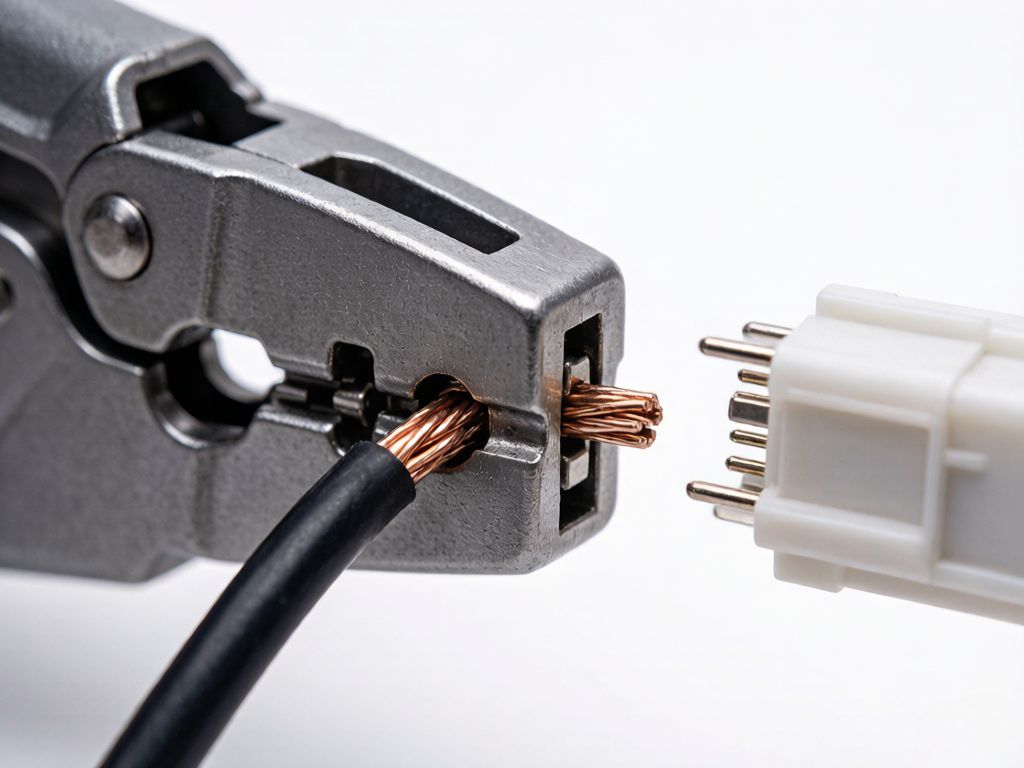
What Exactly Are Automotive Wire Terminals?
Automotive wire terminals are precision stamped metal contacts fixed on wire ends. They build detachable, firm and anti-vibration electrical connections between wires, sensors, ECU modules, batteries and auto accessories.
Different from ordinary electronic connectors, auto wire terminal connectors can resist high temperature, strong vibration, water, dust and oil corrosion. All qualified products meet USCAR-2, ISO 8092 and IP67 waterproof standards to adapt to harsh working environments.
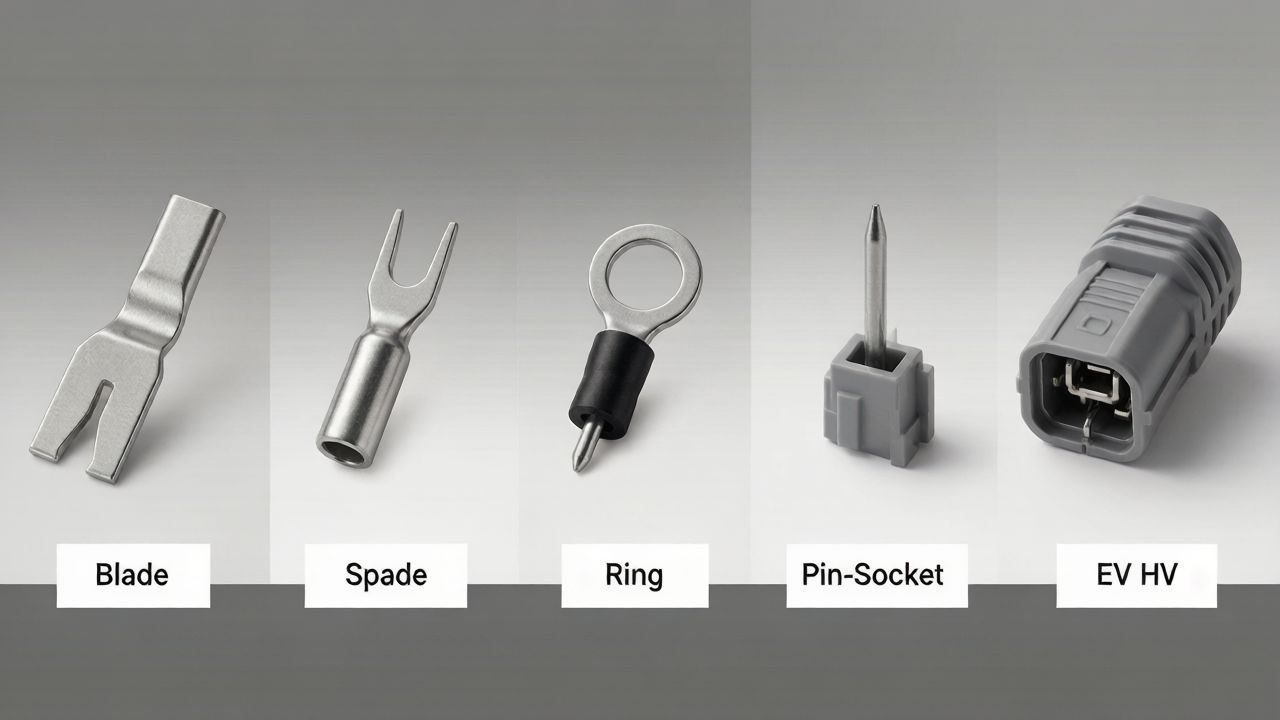
Main Types and Practical Uses
Blade terminals: Widely used in car interior lights, switches and fuse boxes for general circuit connection.
Pin and socket terminals: Ideal for ADAS sensors, ABS systems and vehicle control modules.
Spade and ring terminals: Fit for battery connection, grounding and high-current power distribution.
Butt terminals: Mainly used for wire splicing and automotive harness maintenance.
EV high voltage terminals: Specially designed for new energy vehicle battery packs and motor controllers.
Common Materials and Surface Treatment
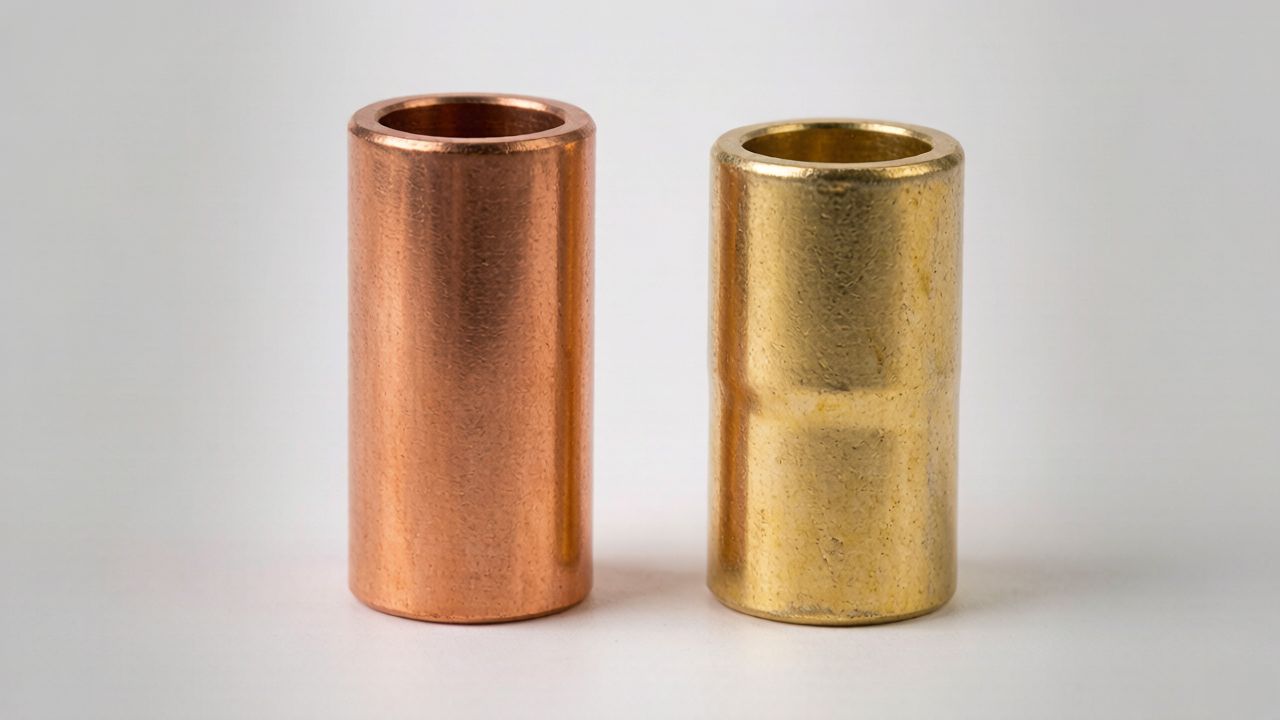
High-performance auto wire terminals are mostly made of high-conductivity copper, brass and phosphor bronze.
Tin plating is the most popular surface treatment for anti-rust and stable conduction. Nickel plating and gold plating are adopted on high-end signal terminals to lower contact resistance and extend service life. Most connector housings adopt high temperature resistant PA66 material.
Core Quality Requirements for Auto Terminals
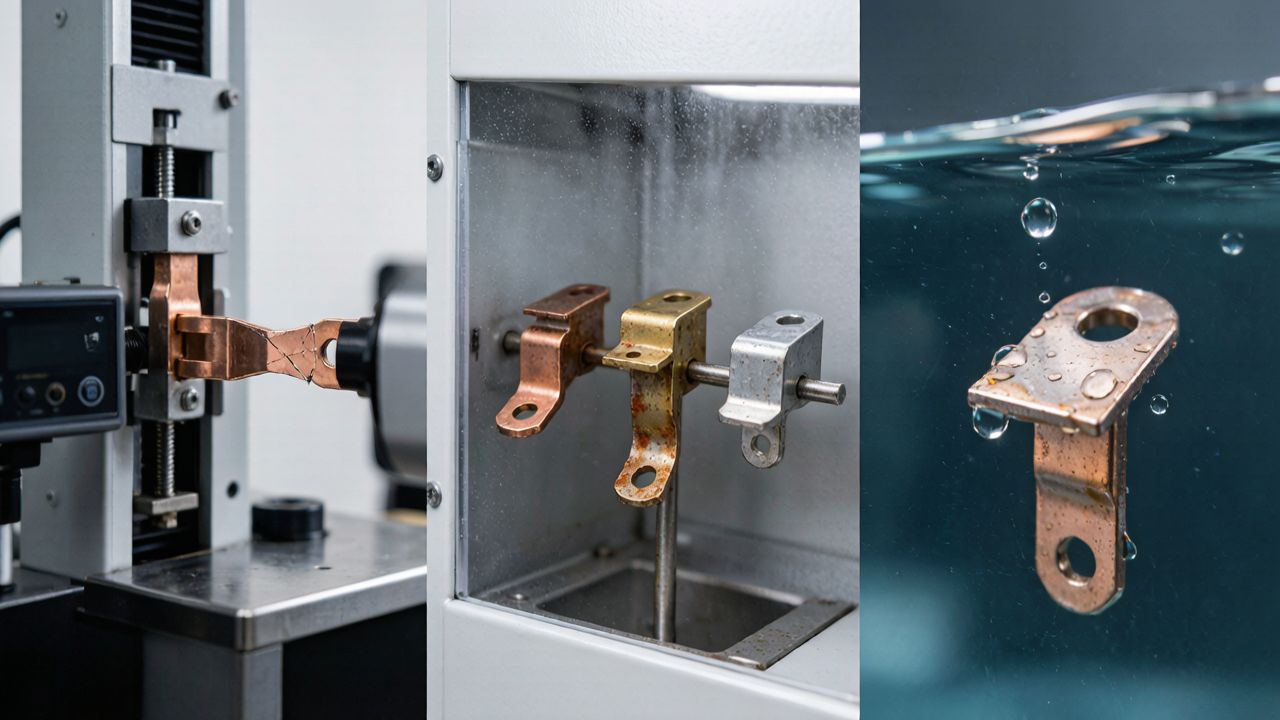
Top-grade automotive wire terminals must pass strict industry tests:
Wide temperature resistance range from -40℃ to 125℃.
Strong vibration resistance compliant with auto industry standards.
Excellent waterproof and dustproof performance.
Stable crimping property and low contact resistance.
Why Is This Product Popular in 2026?
Nowadays, the whole auto industry is turning to electrification and intellectualization. The market needs smaller, higher-precision terminals for compact electronic layouts.
Meanwhile, new energy vehicles push huge demand for high-current and high-voltage resistant wire terminals. Environment-friendly lead-free production also becomes a basic trend for global auto part suppliers.
Final Thought
Do you know how to choose qualified auto wire terminal connectors? Choosing reliable automotive terminals directly improves the whole vehicle electrical system stability and driving safety.
As the automotive industry keeps upgrading, high-quality precision auto wire terminals will keep steady global market demand all year round.
Core Materials Used in Body Stamping
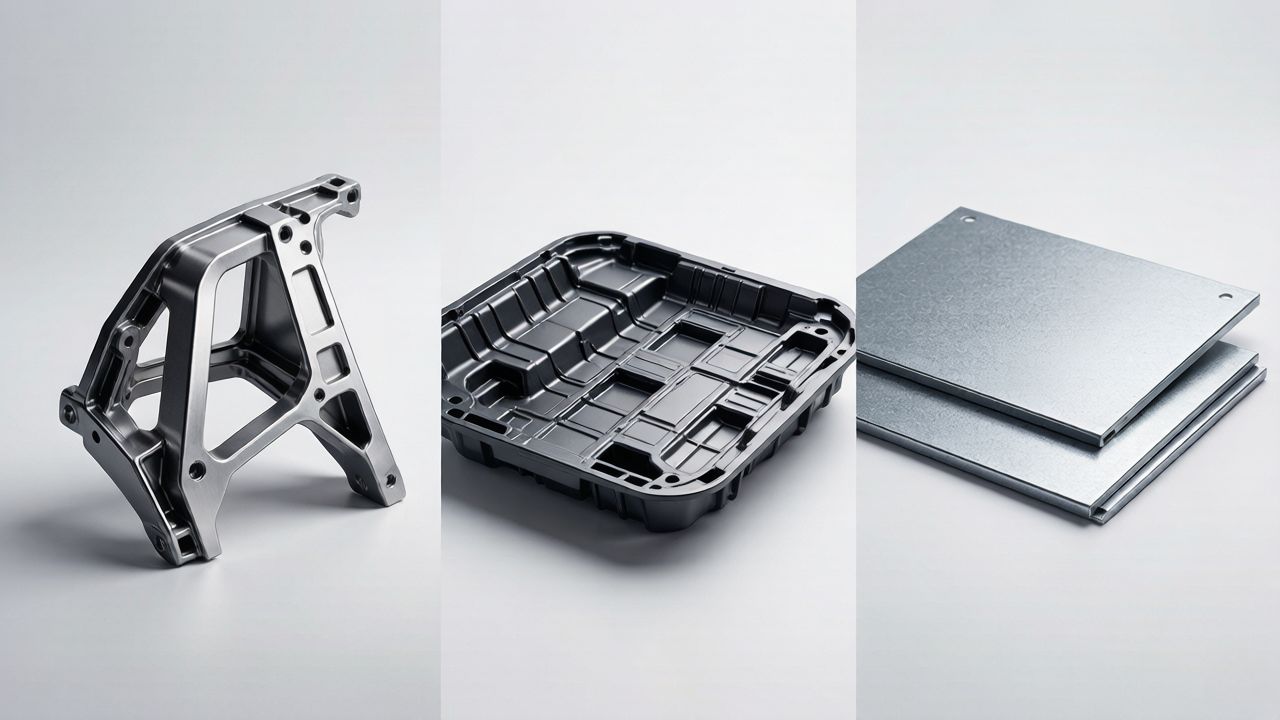
The choice of material directly impacts a vehicle’s strength, weight, and manufacturing cost. Key options include:
Advanced High-Strength Steel (AHSS): The most common choice for structural parts. Grades like DP780, DP980, and boron steel offer exceptional strength-to-weight ratios, enabling thinner yet safer components.
Aluminum Alloys: Lightweight alternative for EVs, reducing overall vehicle weight to extend driving range.
Galvanized Steel: Provides corrosion resistance for underbody and exterior panels, critical for long-term durability.
At Jiaxin Precision, we work with all major grades of automotive-grade metals to produce our car body stamping parts, sourcing from certified mills to ensure consistent quality and compliance with OEM standards.
Common Stamping Processes for Automotive Parts
Different parts require different forming techniques to meet their design and performance needs:
Cold Stamping: Used for most exterior panels and non-structural components. It is fast, cost-effective, and suitable for high-volume production.
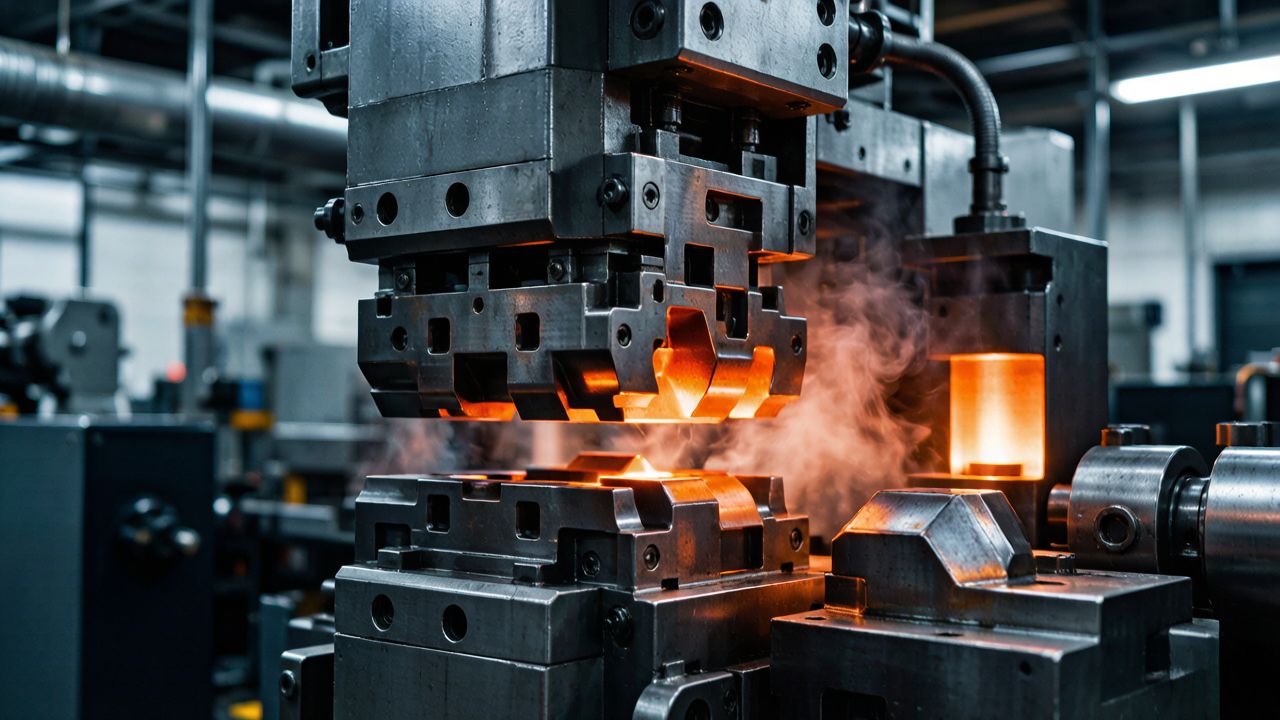
Hot Stamping (Press Hardening): Applied to ultra-high-strength boron steel parts (e.g., A-pillars, bumper beams). The material is heated, stamped, and quenched in one process, achieving tensile strengths over 1500 MPa for maximum crash safety.
Progressive Die Stamping: High-efficiency process for small to medium parts like brackets and clips, ideal for mass production with tight tolerances.
Our facility supports both cold and hot stamping capabilities, allowing us to handle everything from simple brackets to complex structural assemblies.
Key Quality Requirements for Automotive Stamping Parts
Automotive is one of the most regulated industries in the world, and stamped parts must meet strict criteria:
Tight Tolerances: Structural parts require ±0.05mm precision to ensure perfect fit and assembly.
Springback Control: High-strength materials tend to deform after stamping; advanced die design and process simulation are required to compensate for this effect.
Surface Quality: Exterior panels demand zero burrs, scratches, or deformation to meet painting and aesthetic standards.
Corrosion Resistance: Underbody parts must pass salt spray and environmental tests to prevent rust over the vehicle’s lifespan.
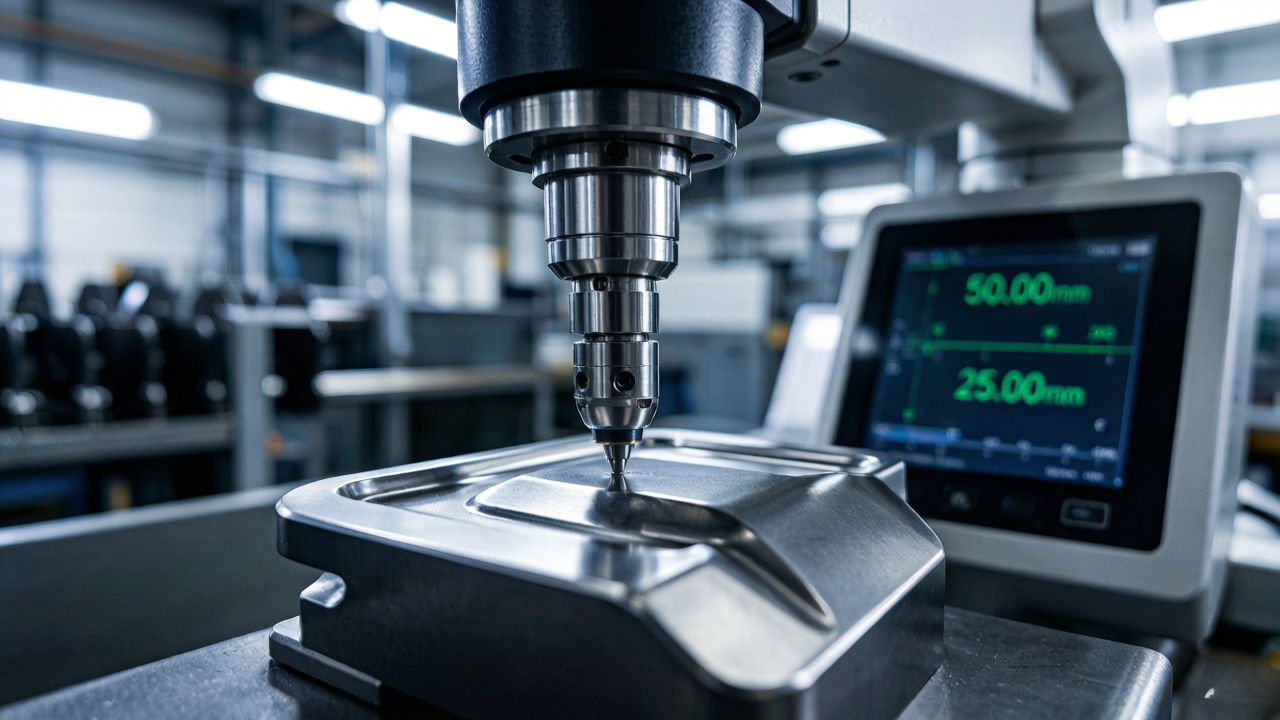
At Jiaxin Precision, we use in-line visual inspection and CMM measurement to verify every batch of our car body stamping parts, ensuring full compliance with IATF 16949 and OEM specifications.
Why EVs Are Transforming Body Stamping
The shift to electric vehicles is reshaping the body stamping industry in three key ways:
Increased Use of Lightweight Materials: Aluminum and advanced steel alloys are replacing traditional steel to reduce curb weight and improve range.
Complex Structural Parts: EVs require battery trays, crash reinforcements, and motor brackets that combine multiple functions into one stamped assembly.
Tighter Integration: Stamped parts must work seamlessly with electrical systems, thermal management components, and modular platforms.
As a trusted partner for EV and traditional automakers, Jiaxin Precision has optimized our stamping processes to meet these evolving demands, offering tailored solutions for lightweight, high-strength, and multi-functional components.
Why Choose Jiaxin Precision for Your Body Stamping Needs?
We combine decades of automotive stamping expertise with modern manufacturing capabilities to deliver reliable, high-quality parts:
Advanced Die Design: In-house tooling shop with digital twin simulation to reduce trial time and improve precision.
Flexible Production: Capable of both small-batch prototyping and high-volume mass production.
Strict Quality Control: Full compliance with international automotive standards and customer-specific requirements.
End-to-End Support: From material selection to final delivery, we work closely with customers to optimize designs for manufacturability and cost.