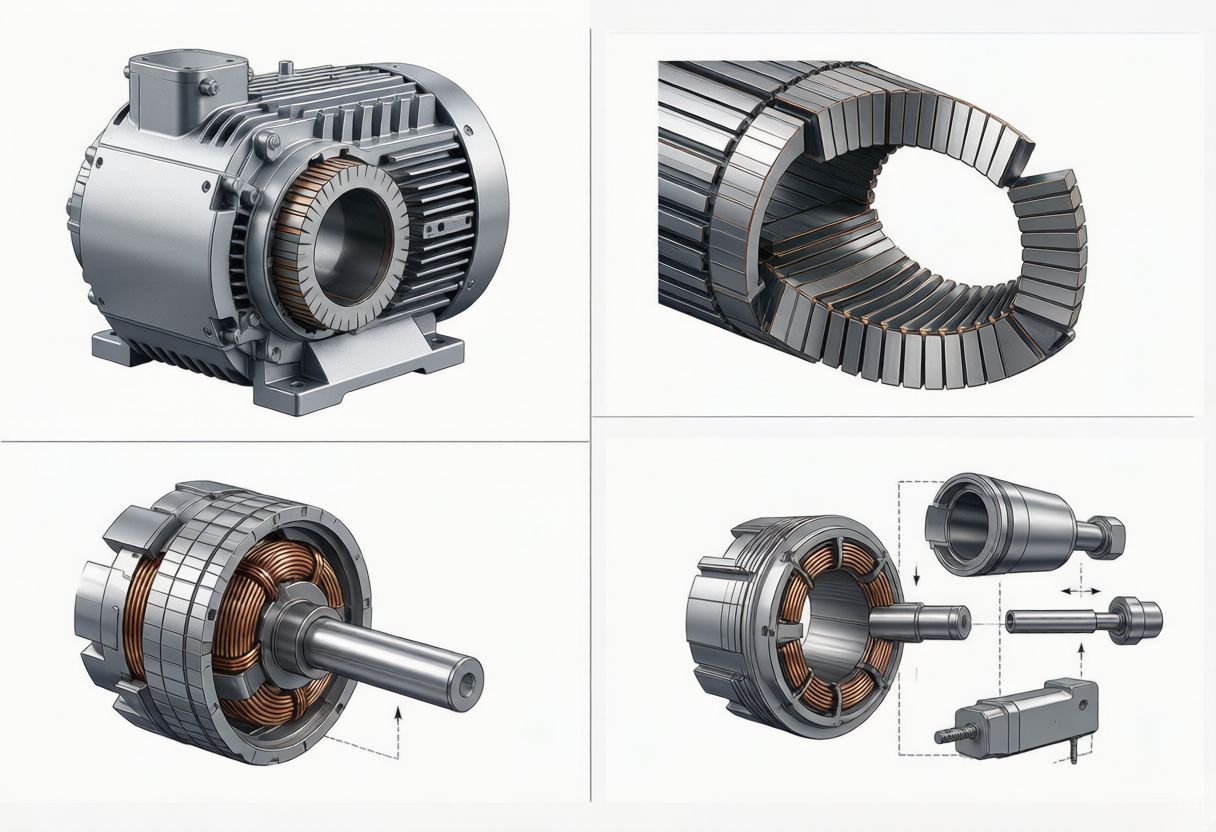
Common Stator & Rotor Core Defects
The most frequent manufacturing defects for silicon steel motor cores include lamination edge burrs, inter-lamination short circuits, loose stacking and delamination, excessive core iron loss, dimensional tolerance errors, rotor die-casting faults and surface corrosion. All these issues result from improper process operation and insufficient quality control.
What Causes Stator & Rotor Core Defects?
1. Lamination Edge Burrs
Root Causes: Worn or poorly calibrated stamping dies, residual burrs from raw material slitting, unstable stamping speed and feeding offset.
Impacts: Sharp burrs damage insulation coating, trigger interlayer short circuits, and cause motor local overheating and high no-load current.
Fix & Prevention: Regularly grind die edges and calibrate clearance; control slitting burrs under 0.03mm; apply automatic post-stamping deburring for clean lamination edges.
2. Inter-Lamination Short Circuit & Low Insulation Resistance
Root Causes: Burr-induced metal contact, scratched or peeled insulation film, over-compressed insulation during stacking, and humid workshop environment leading to oxidation.
Impacts: Increased eddy current loss, reduced insulation resistance, continuous motor temperature rise and decreased operational efficiency.
Fix & Prevention: Enforce strict burr control; re-spray insulation on damaged laminations; optimize stacking pressure; store finished cores in constant temperature and humidity with moisture-proof packaging.
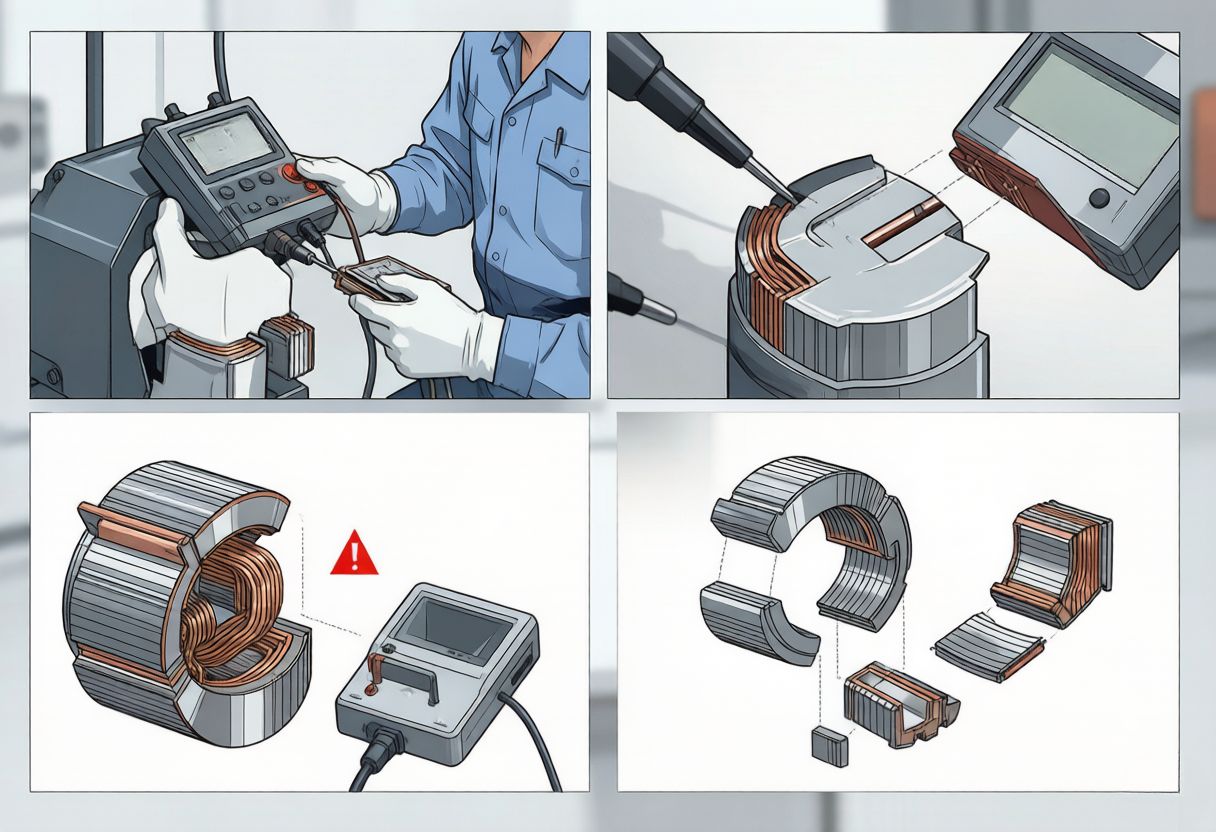
3. Loose Stacking & Core Delamination
Root Causes: Insufficient stacking pressure, unqualified interlock embossing or discontinuous laser welding, thermal cycle fatigue, and worn positioning fixtures.
Impacts: Uneven magnetic air gap, severe motor vibration, abnormal humming noise and higher sweeping bore risk.
Fix & Prevention: Standardize constant-pressure stacking process; adopt full-circle laser welding for high-speed motor cores; replace worn fixtures; reinforce loose cores with end plate fastening.
4. Excessive Iron Loss & Poor Magnetic Performance
Root Causes: Mismatched silicon steel material, residual stamping stress without annealing, interlayer short circuits and low stacking factor (below 95%).
Impacts: Substandard motor energy efficiency, long-term overheating and increased power consumption.
Fix & Prevention: Select matched silicon steel based on motor working frequency; add stress relief annealing; improve stacking compactness and eliminate interlayer conduction.
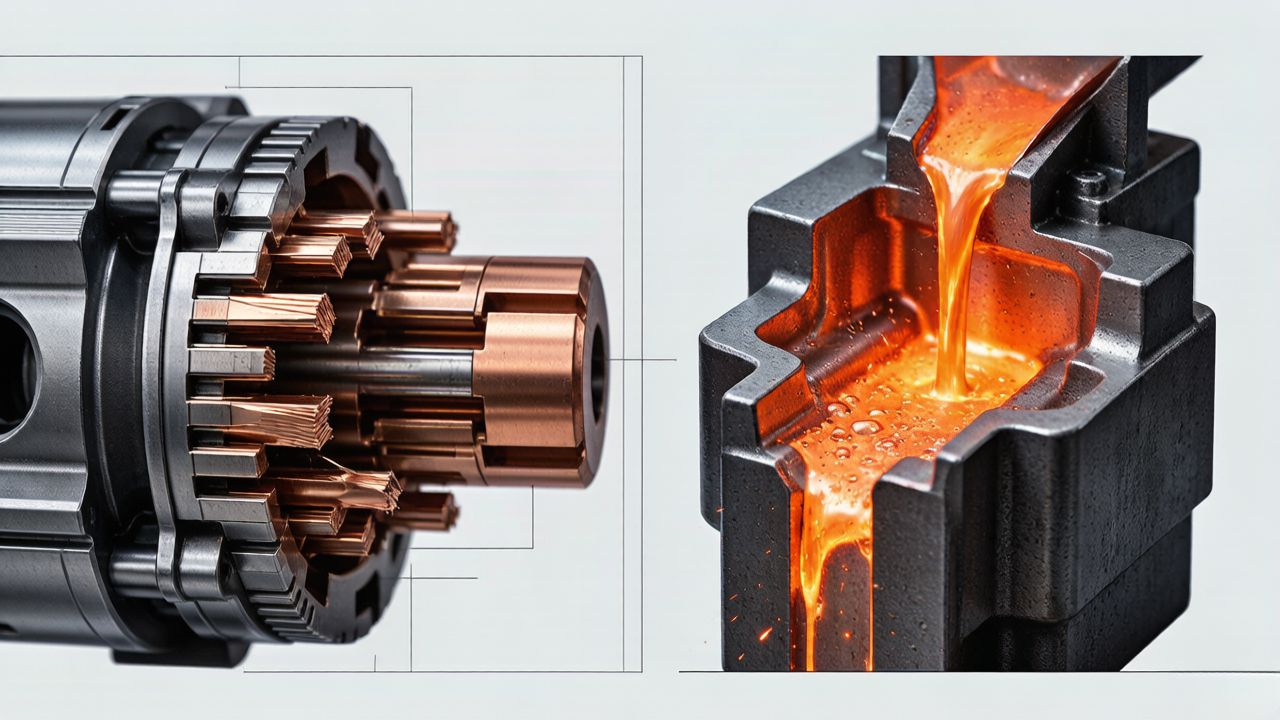
5. Rotor Die-Casting Defects
Root Causes: Unstable aluminium liquid temperature and injection pressure, slot oil contamination, and blocked mold exhaust grooves causing gas trapping.
Impacts: Shrinkage holes and air bubbles lead to broken conductive bars, insufficient starting torque, rotor unbalance and high-speed vibration.
Fix & Prevention: Fully clean rotor slots before die-casting; optimize temperature and pressure parameters; regularly clean mold exhaust systems.
6. Dimensional Out-of-Tolerance & Uneven Air Gap
Root Causes: Worn stamping dies, inaccurate fixture positioning and uneven stacking pressure cause deviation in core size, flatness and coaxiality.
Impacts: Difficult winding installation, uneven stator-rotor air gap and motor sweeping failure.
Fix & Prevention: Conduct regular die maintenance and sampling inspection; replace aging fixture parts; apply precision finishing to guarantee dimensional consistency.
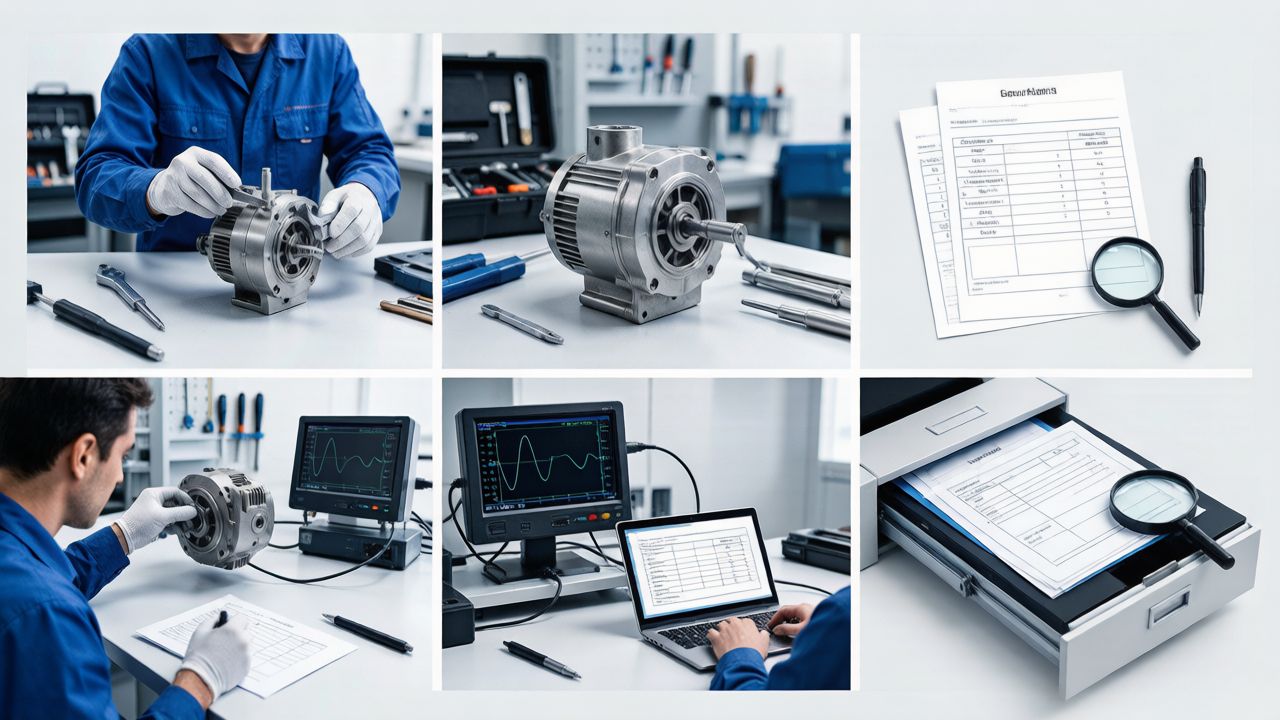
Quick Tips to Prevent Motor Core Defects
Most stator and rotor core defects come from inadequate process control rather than raw material issues. Full-process quality control, including strict raw material inspection, regular die maintenance, standardized stamping and stacking parameters, and finished product testing, can drastically reduce core failure rates. For high-efficiency EV and high-speed industrial motors, self-bonding lamination and laser welding effectively avoid common core faults.
Conclusion
Solving stator and rotor core defects starts with identifying root causes of burrs, short circuits, loose stacking, high iron loss and die-casting problems. Standardizing every production procedure from stamping, deburring and insulation to stacking and testing is essential to boost core quality and overall motor performance.
What are the common materials for CPU mounting brackets?
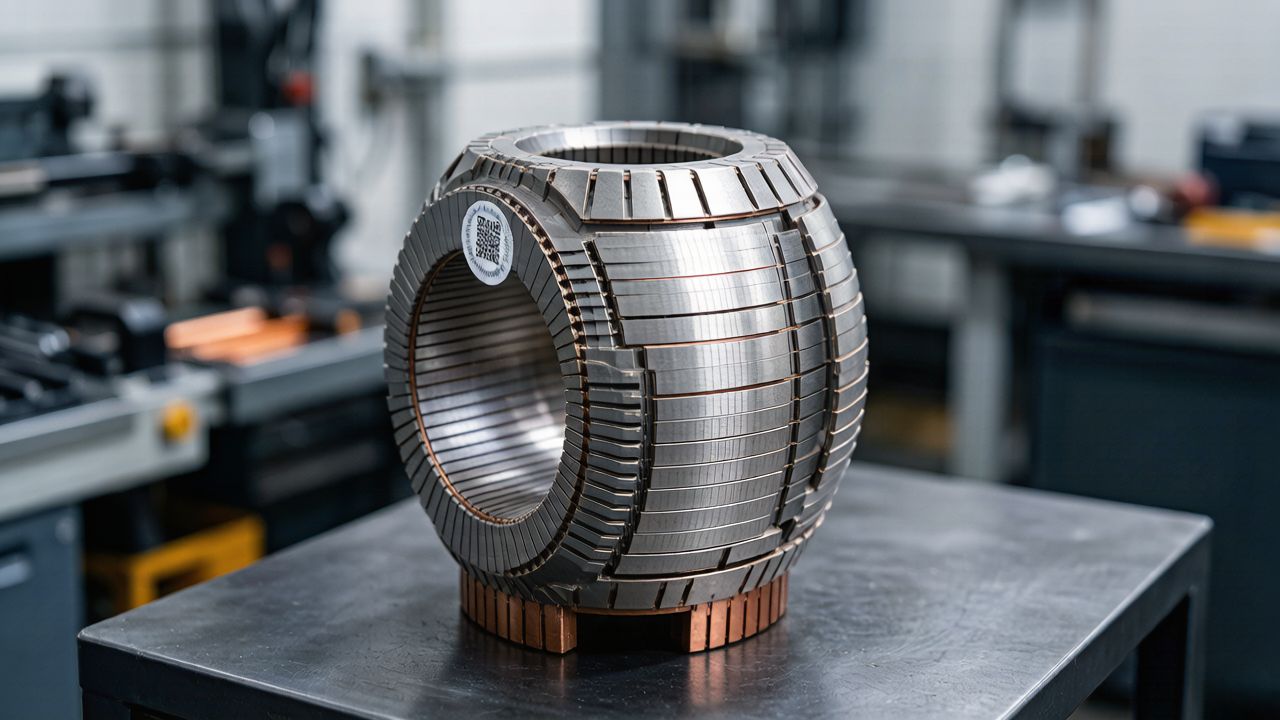
Most high-standard CPU brackets are made of cold rolled steel sheet and aluminum alloy through stamping forming. Steel brackets have stronger bearing capacity, not easy to deform, suitable for heavy-duty large heat dissipation fans. Aluminum alloy brackets are light in weight, with anodized anti-rust treatment, good heat conduction and long service life. Low-cost models usually adopt plastic frames, which are only fit for ordinary home low-power CPUs.
What types of CPU mounting brackets are mainstream in the market?
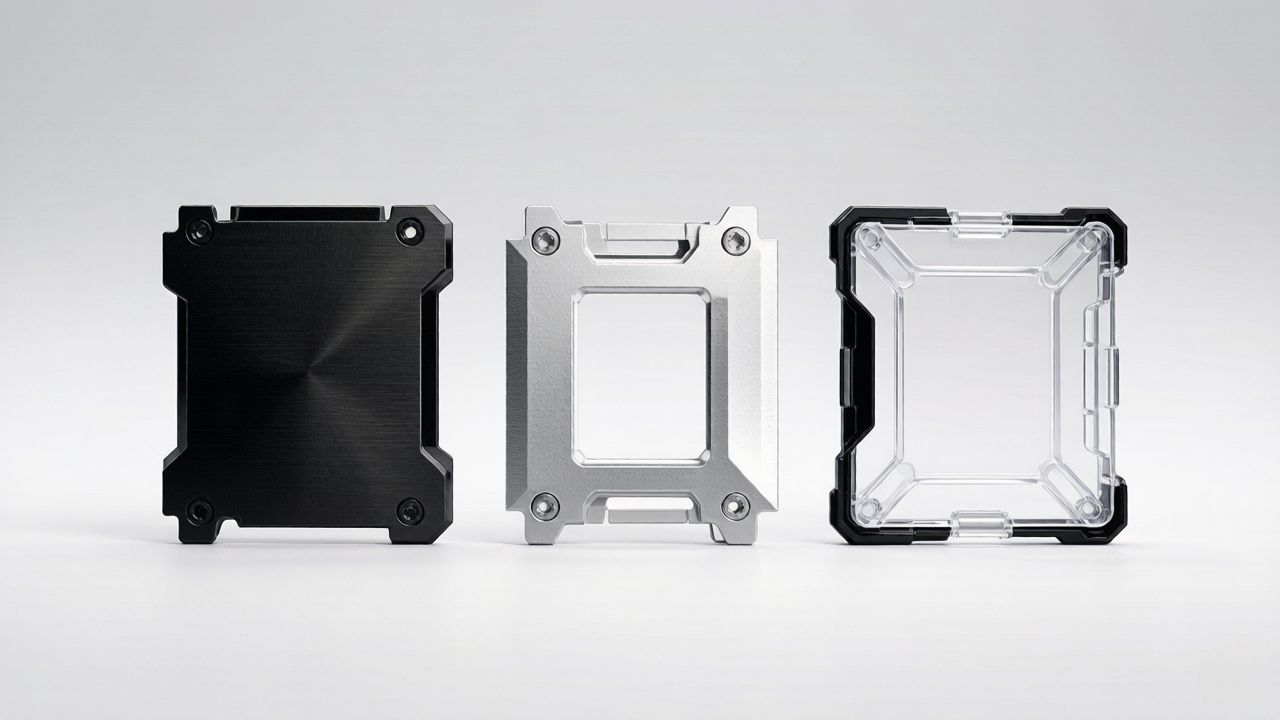
They are mainly divided into Intel series and AMD series according to compatible sockets. Intel includes LGA1150, LGA1700, LGA1851 general brackets; AMD covers AM4, AM5 mainstream socket backplates and fixed frames. In addition, there are universal adjustable brackets and anti-bending correction brackets, which can effectively prevent motherboard bending caused by overweight radiators.
Why do high-performance hosts need reinforced CPU brackets?
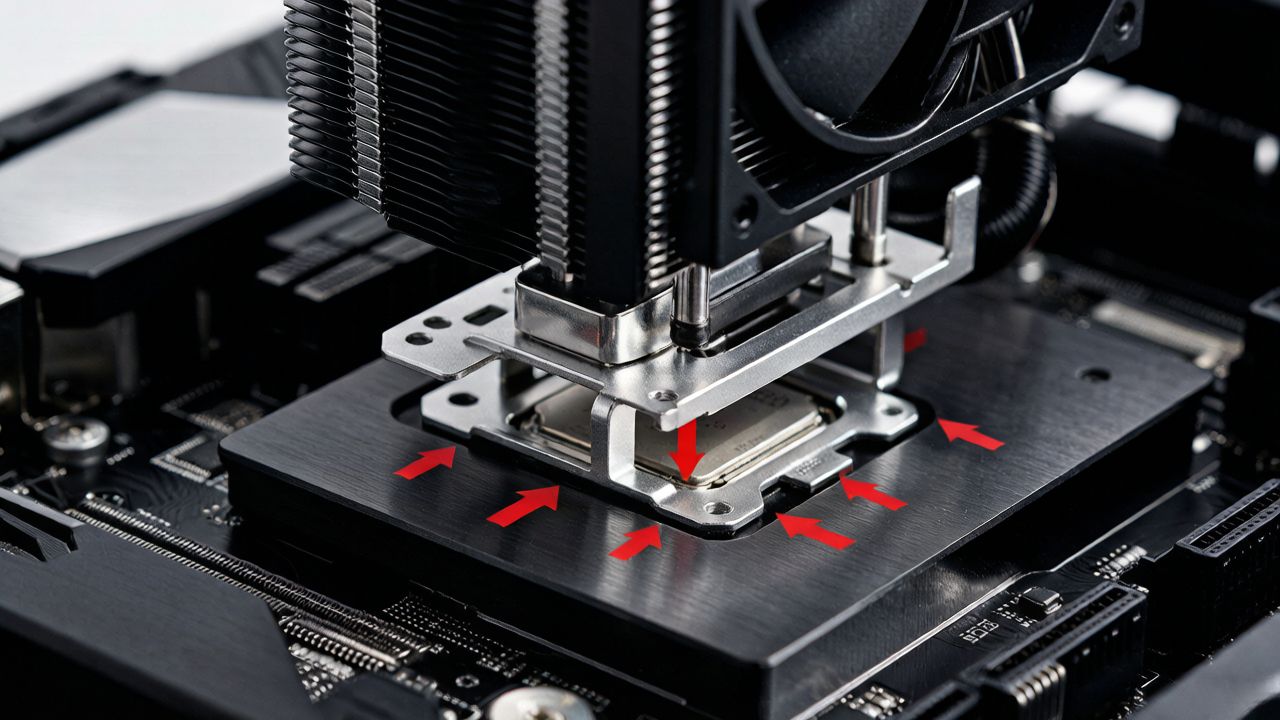
Heavy air-cooled radiators and water cooling equipment will generate large downward pressure for a long time. Ordinary thin brackets are easy to loose and shift, leading to poor heat dissipation, high CPU temperature and even automatic shutdown. Reinforced stamped CPU brackets can evenly disperse pressure, lock the installation position firmly, and keep the cooling system running stably for a long time.
What production processes determine the quality of CPU brackets?
Precision stamping, hole position tapping, edge deburring and surface anti-corrosion spraying are the key processes. Standard CPU brackets need accurate hole spacing size to perfectly match motherboard installation positions. Smooth edges can avoid scratching circuit boards and wires, and surface treatment can prevent oxidation rust in humid environment.
Can customized CPU mount brackets meet special equipment demands?
Yes. We support drawing and sample customized production of non-standard CPU brackets. Whether it is special size, thickened bearing structure, insulated design or special installation direction, all can be realized through metal stamping, to meet the matching needs of industrial computers, embedded equipment and special intelligent hardware.
Conclusion
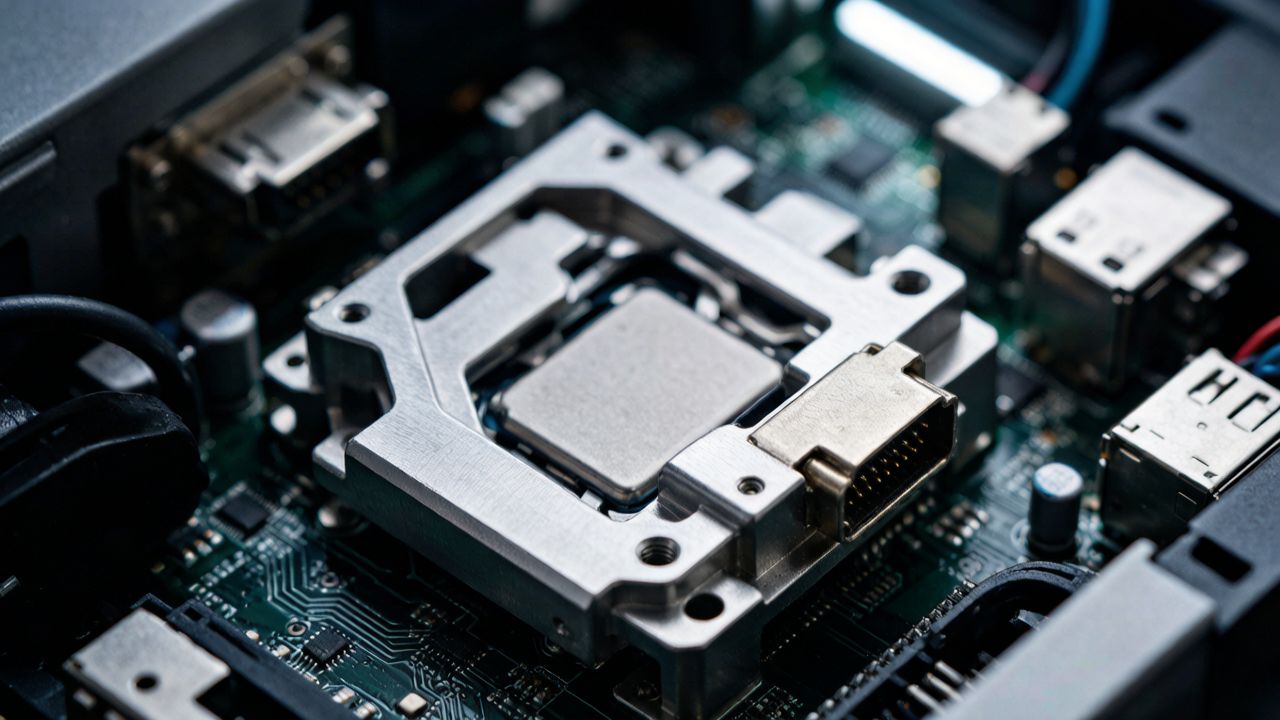
No matter for civilian assembly, office computers or industrial server equipment, matching the correct and high-quality CPU mounting bracket is the basic guarantee to improve heat dissipation efficiency and extend equipment service life. Stable structure, precise size and durable material are the three core standards for purchasing CPU fixed brackets.
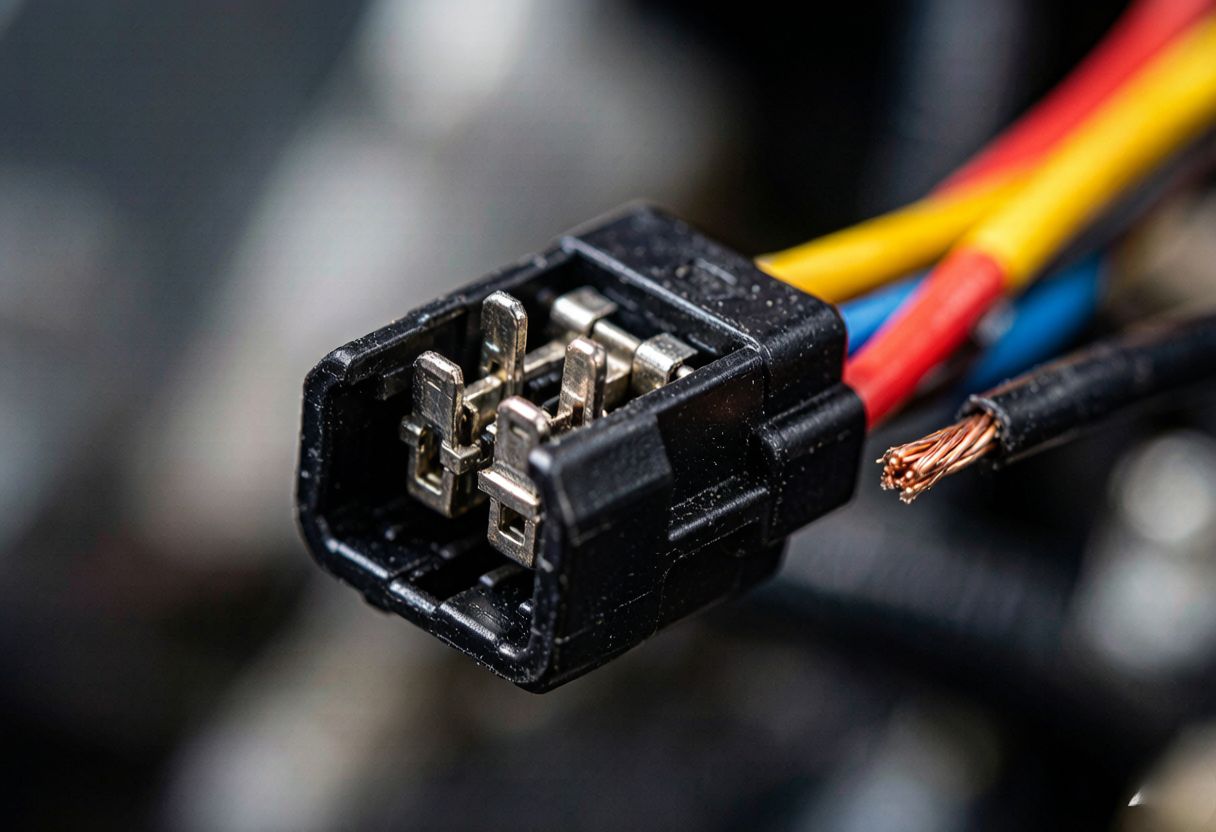
What Are Car Wiring Terminals
They are precision-stamped metal parts crimped or soldered to wire ends, fitting into connector housings. Unlike generic terminals, automotive-grade versions must withstand extreme temperatures, vibration, moisture, and corrosion to meet SAE and ISO standards.
Common Types
Crimp terminals: Fast, reliable for mass production.
Blade/quick-connect terminals: Used in lighting and switches.
Pin/socket terminals: For multi-pin ECU and sensor connectors.
Continuous stamped terminals: On carrier strips for automated assembly, ideal for high-volume production.
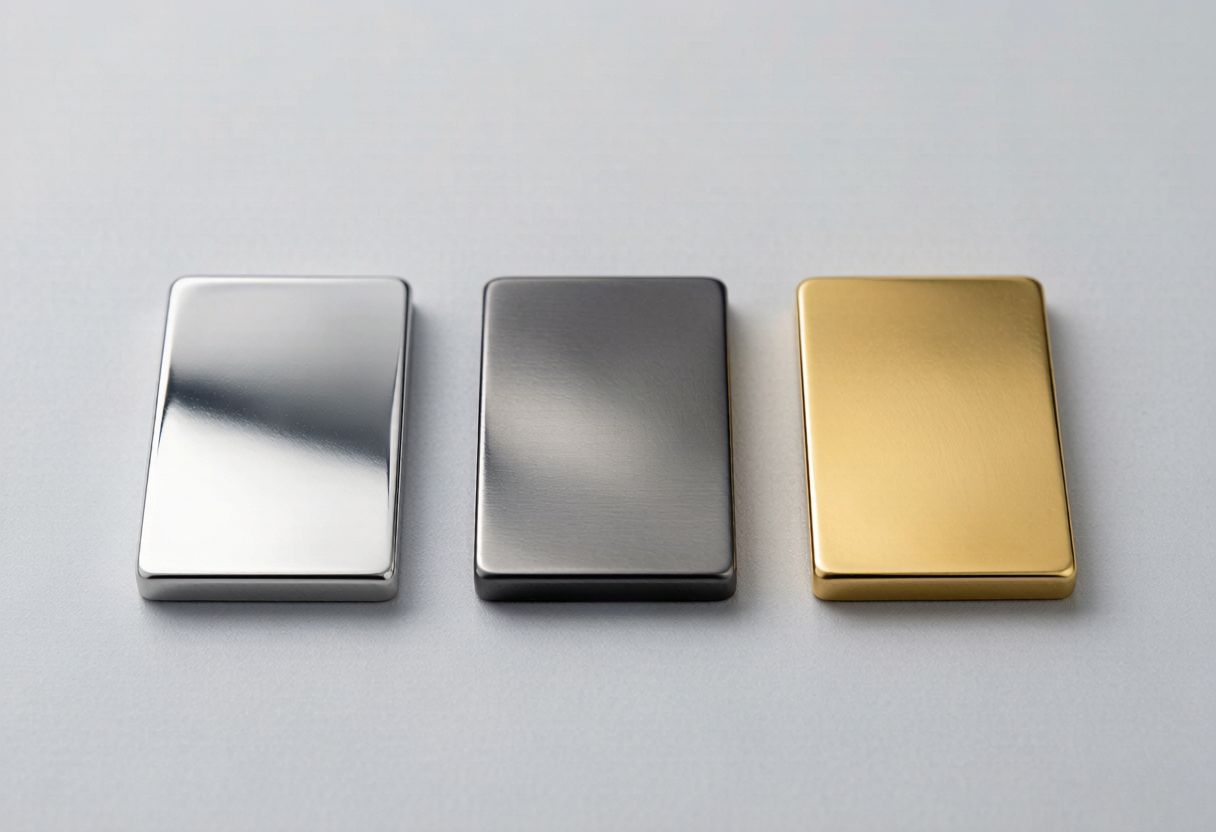
Key Materials & Plating
Most terminals use high-conductivity copper alloys, with common plating options:
Tin plating: Cost-effective corrosion resistance for general use.
Nickel plating: High-temperature resistance for under-hood applications.
Gold plating: Superior conductivity for high-frequency signal systems.
Critical Performance Requirements
Automotive terminals must pass rigorous tests: low contact resistance, vibration/shock resistance, salt spray corrosion resistance, and consistent crimp pull strength.
Why Custom Stamping Matters
Custom precision stamping allows tailored dimensions, plating, and designs to fit specialized connectors, optimize automated assembly, and meet unique application requirements, from low-volume prototypes to mass production.
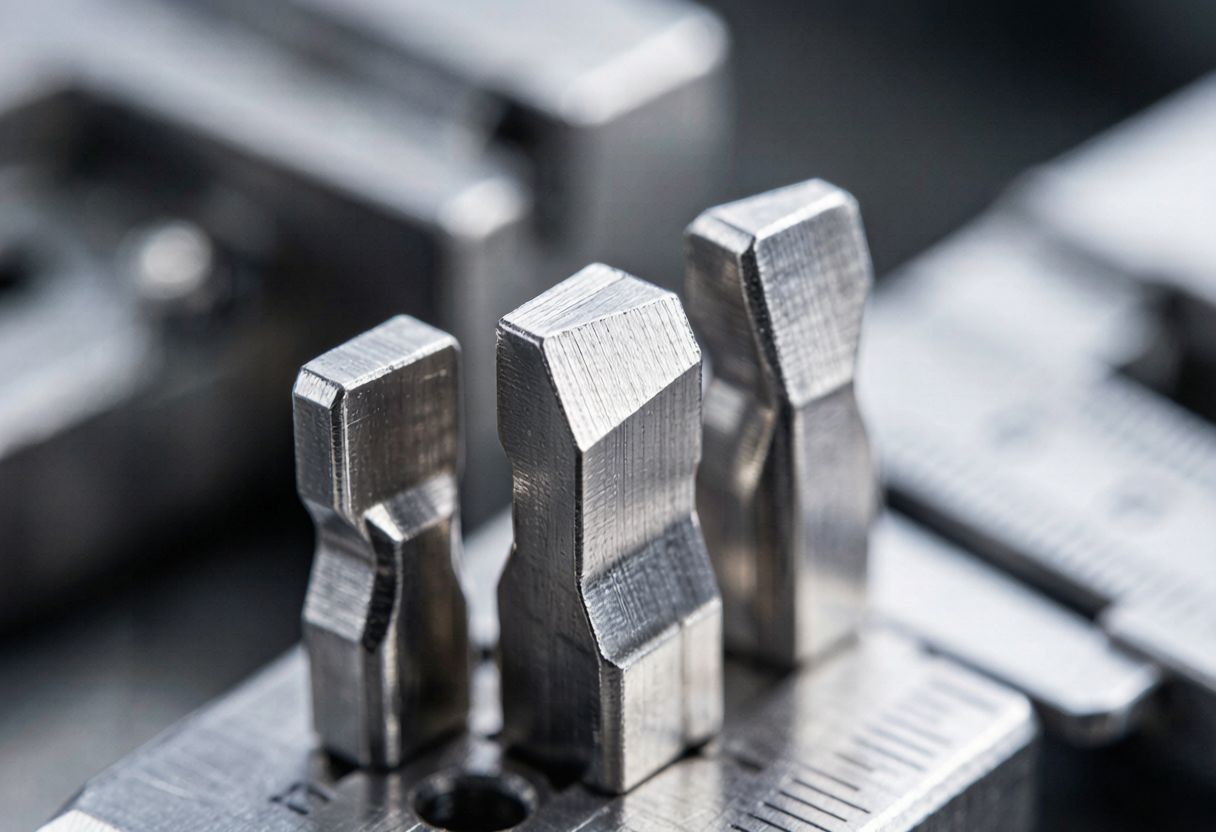
As a professional precision metal stamping manufacturer, we offer custom automotive wiring terminals with tight tolerances and strict quality control. Contact us to discuss your project needs.
1. Core Manufacturing Process: 45-Ton Progressive Die Stamping
Cold rolled steel precision terminals are primarily formed using 45-ton high-speed punch presses with progressive dies. This process offers distinct advantages:
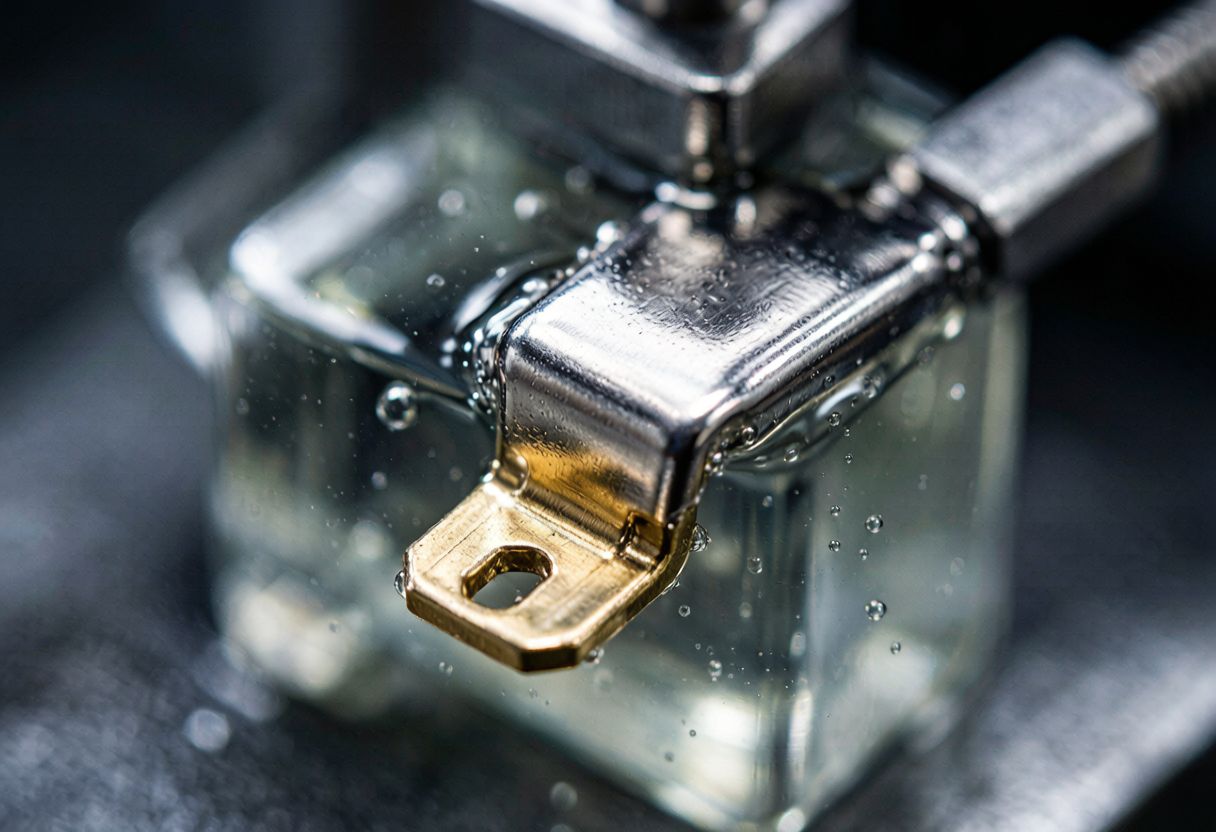
Ultreme Precision: Ensures dimensional consistency and smooth, burr-free edges (as highlighted by "smooth burn-free edges"), preventing poor contact caused by assembly errors.
High Efficiency: Enables automated mass production at high speeds, meeting the massive demand for electronic components.
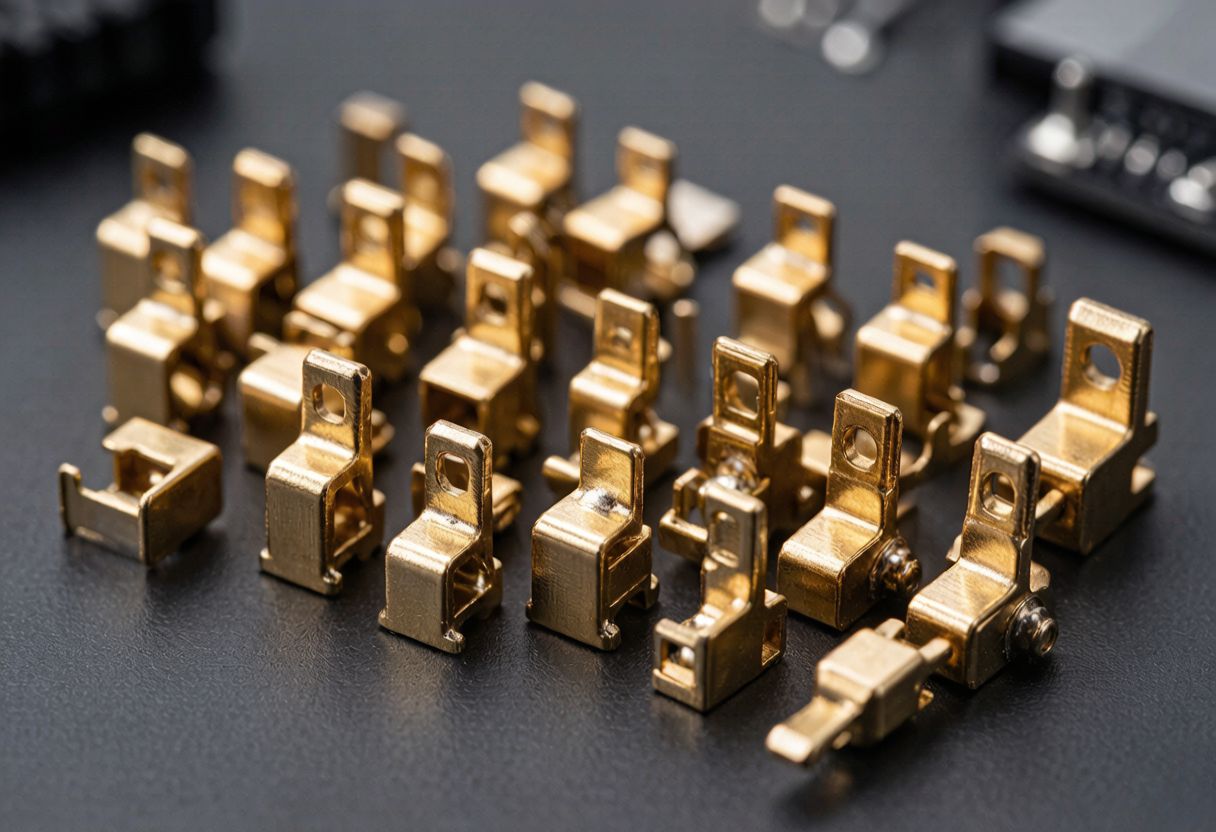
2. Essential Step: Electroplating Surface Treatment
Post-stamping, cold rolled steel terminals require professional electroplating. This isn't just cosmetic—it’s critical for performance:
Enhanced Corrosion Resistance: Protects the base steel from oxidation in harsh environments.
Optimized Electrical Performance: Reduces contact resistance significantly, ensuring stable current flow for long-term reliability.
3. Tight Dimensional Tolerances
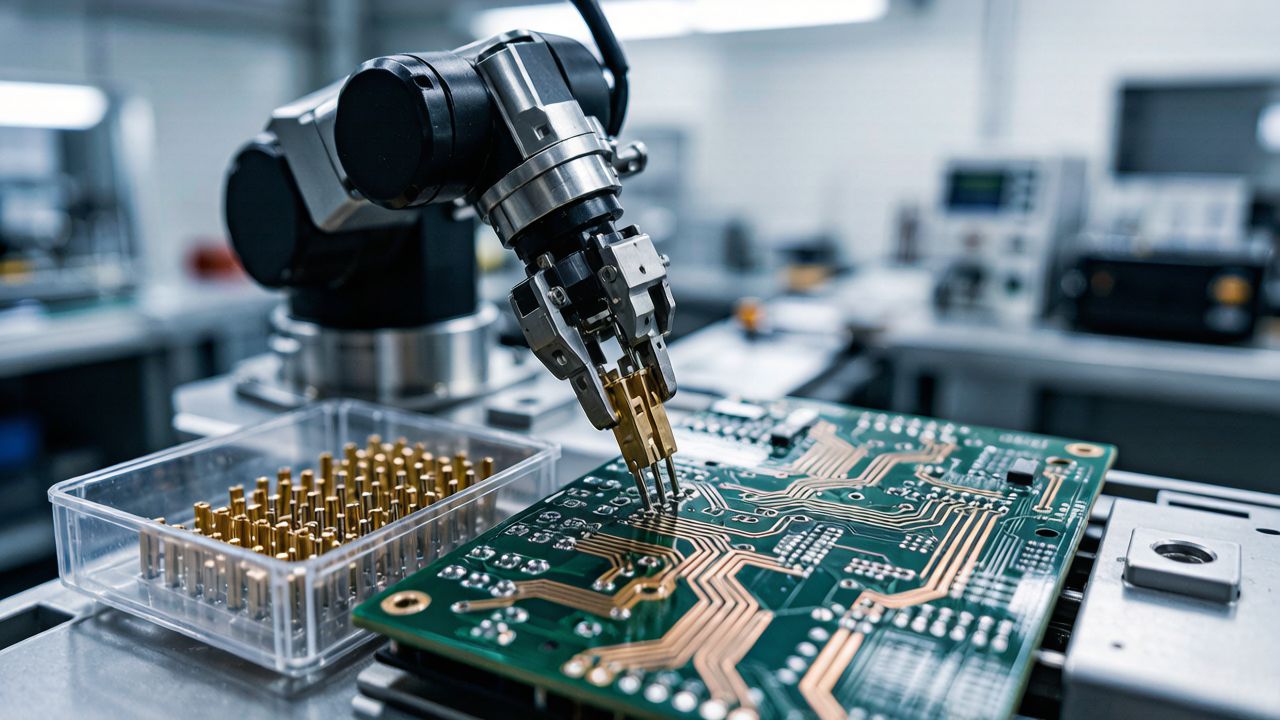
Precision stamped parts demand strict tolerance control. Cold rolled steel terminals maintain minimal dimensional deviations, ensuring perfect mating with PCBs or connectors to prevent loosening or short circuits.
4. Broad Application Spectrum
Thanks to high mechanical strength and reliable connectivity, these terminals are widely used in:
Consumer Electronics: Power plugs, internal wiring terminals for appliances.
Industrial Control: Automation equipment, relays, sensor connections.
New Energy & Telecom: Battery management systems (BMS) and internal cabling for communication base stations.
Conclusion
Selecting high-quality cold rolled steel precision stamping terminals means choosing reliable electrical connectivity. Combining 45-ton progressive die stamping with scientific electroplating, these small metal parts handle significant currents and signals, serving as indispensable "invisible heroes" in modern precision electronics.
Precision plays a vital role in hardware stamping parts. You depend on precise manufacturing to ensure high product quality, safety, and reliability. The table below shows how precision shapes these aspects in industrial and medical fields:
|
Aspect |
Impact on Product Quality |
Impact on Safety |
Impact on Reliability |
|---|---|---|---|
|
Precision in Stamping |
Ensures components meet strict quality standards |
Critical for healthcare manufacturing |
Enhances overall product reliability |
When precision falls short, you may face increased scrap rates, longer lead times, and unpredictable costs. Jiaxin delivers high-precision metal stamping solutions you can trust.
Key Takeaways
-
Precision in hardware stamping ensures high product quality, safety, and reliability. This is crucial for both industrial and medical applications.
-
Maintaining tight tolerances during the stamping process minimizes defects and enhances performance. Early inspection helps catch issues before they escalate.
-
Choosing a trusted provider like Jiaxin guarantees consistent, high-quality parts that meet strict industry standards, especially for critical applications.
Precision in Hardware Stamping Parts
Defining Precision and Tolerances
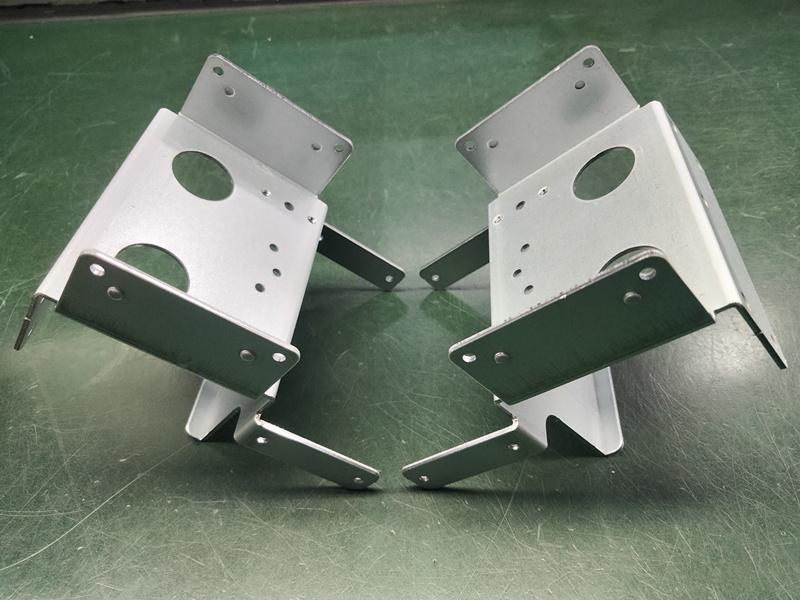
You need to understand what precision means in the context of hardware stamping parts. Precision refers to how closely the finished part matches the intended design. Tolerances set the acceptable range for a part’s dimensions. These limits ensure that every piece produced through the stamping process fits and functions as required.
-
Tolerances define the acceptable variation in a part’s dimensions. This is crucial for maintaining quality and performance in every stamping process.
-
Precision engineering focuses on consistency and repeatability, not just speed. You want every hardware stamping part to meet the same high standards.
Typical jig and fixture tolerances in precision metal stamping include:
|
Feature |
Tolerance Range |
|---|---|
|
Locator Pin Diameter |
±0.005 to ±0.01 mm |
|
Rest Pad Height |
±0.01 mm |
|
Clamp Position |
±0.10 mm |
|
Base Plate Flatness |
0.02–0.05 mm |
You can see that even the smallest deviation can affect the performance of hardware stamping parts. That is why you must pay close attention to tolerances during every stamping process.
Consistency and Repeatability in Metal Stamping
You rely on consistency and repeatability to achieve high-quality results in precision metal stamping. The stamping process uses controlled compressive force to transform metal sheets into precise components. This ensures dimensional accuracy and tight tolerances for every hardware stamping part.
Several factors help you maintain consistency in the stamping process:
-
Tooling design plays a key role in shaping each part.
-
Press speed and material thickness must be monitored for consistent output.
-
Advanced technologies, such as servo-driven presses and robotic automation, control force and dwell time. These tools help you achieve repeatability in every production run.
Tip: Early inspection and dimensional gauge control help you catch issues before they escalate. Inspection documentation and traceability maintain quality standards throughout the stamping process.
Manufacturers like Jiaxin use progressive die and deep draw processes to ensure accuracy and repeatability in their precision metal stamping services. Dependable delivery and consistent output are essential for high-volume production runs. You can trust that each batch of hardware stamping parts will meet your requirements when you choose a provider committed to quality.
Why Precision Matters for Medical Devices
Precision metal stamping plays a critical role in the production of medical devices. You must meet strict industry standards and requirements to ensure patient safety and device reliability. Even a minor error in the stamping process can lead to serious consequences.
-
Early inspection and material verification guarantee that only the right materials enter the stamping process.
-
Production consistency between batches reduces variability, which is vital for medical devices.
-
Honest communication about issues fosters trust and reliability in the supply chain.
A case study showed that a customer faced assembly issues due to inconsistencies between batches from different suppliers. By implementing controlled inspection and stamping processes, the defect rate dropped significantly. This example highlights the importance of maintaining quality throughout the stamping process, especially for medical devices.
Advanced technologies support your need for high precision in hardware stamping parts. For example, digital quality-control systems help you meet stringent requirements for quality and precision. These systems automatically measure edges, calculate center positions, and verify setups before machining. You can achieve micron-level accuracy and consistent results, regardless of operator skill.
Jiaxin stands out as a trusted provider of high-precision metal stamping solutions. You can rely on their expertise in precision engineering and their commitment to quality for your most demanding applications.
Impact of Precision on Performance and Safety
Assembly and Fit in Industrial Applications
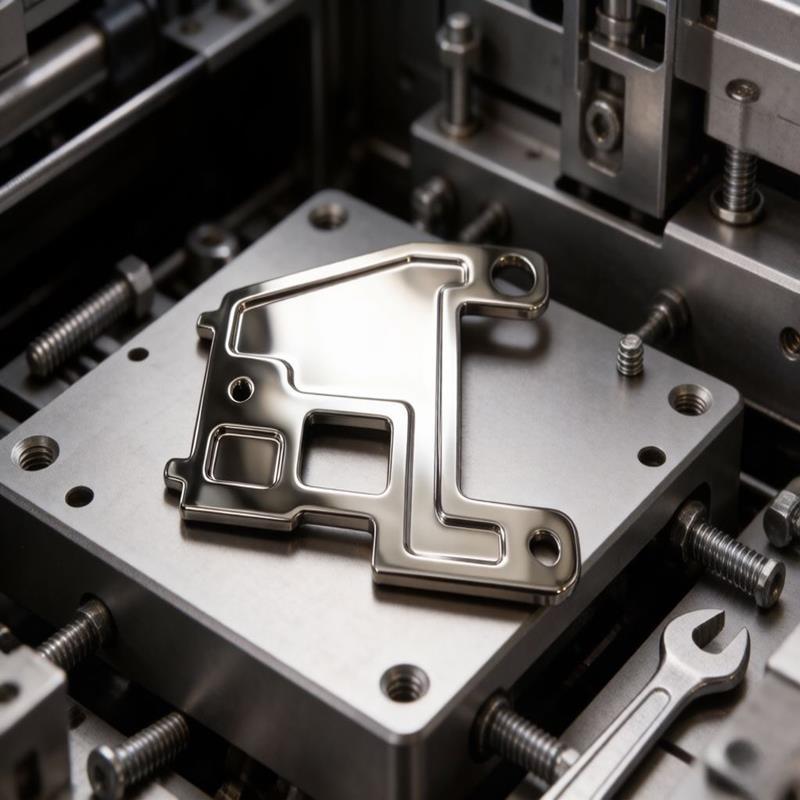
You need precise stamping to achieve efficient assembly in industrial applications. When you use accurate stamping dies, you ensure that every part fits together as intended. This reduces the risk of misalignment and assembly delays. You work with many materials in the automotive and aerospace industries. Each material requires specific machining techniques to maintain dimensional accuracy.
-
Precision in machining ensures correct fitting of components, which is essential for assembly efficiency.
-
The assembly process checks for flatness, parallelism, and concentricity. These factors are critical for overall efficiency.
-
Variations in material properties can lead to assembly issues. You must maintain precise tolerances to avoid these problems.
Dimensional inaccuracies in stamped parts can disrupt the fit and function of industrial assemblies. You may face problems with fastening, welding, and sealing. Tool wear, incorrect shut height, and die misalignment can compromise the integrity of your final product. You want to avoid costly rework and downtime by focusing on precision at every stage.
Reliability and Longevity of Stamped Parts
You rely on precision to ensure the reliability and longevity of stamped parts. High-precision stamping helps your components withstand environmental stresses over time. This is especially important in the automotive industry, aerospace, and high-density electronic packaging.
|
Application Area |
Description |
|---|---|
|
Telecommunications |
Use of precision progressive die stamping for EMI/RFI shielded enclosures and structural chassis components. |
|
High-Density Electronic Packaging |
Components optimized for effective thermal dissipation, ensuring performance under environmental stresses. |
|
Longevity and Reliability |
Precision stamping enhances the ability of components to withstand environmental stresses over time. |
You need reliable parts for critical systems. In the automotive industry, you depend on stamping dies to produce parts that last. In aerospace, you require intricate precision metalwork to meet strict safety standards. You also use micro stamping and precision metal microstamping to create small, complex parts for advanced devices.
Minimizing Risks in Medical Devices
You must minimize risks when manufacturing medical devices. Precision in stamping is essential for high-quality medical devices, implantable devices, and minimally invasive surgical instruments. You cannot afford errors in the production phase. Even a small deviation can affect biocompatibility and device safety.
You use custom precision metal stampings to meet the unique requirements of cutting-edge medical devices. You rely on micro stamping and precision metal microstamping to produce tiny, intricate parts for diagnostic equipment and other devices. You must ensure that every part meets strict medical standards for biocompatibility and performance.
You know that medical devices must function reliably in the human body. You need stamping dies that produce consistent results. You also require intricate precision metalwork for devices used in surgery and patient care. You cannot compromise on quality or safety.
Jiaxin’s Commitment to Quality
You want a partner who shares your commitment to quality. Jiaxin stands out as a trusted provider of high-precision metal stamping solutions. Jiaxin uses advanced stamping dies and quality control systems to deliver consistent, reliable parts for the automotive, aerospace, and medical industries.
You benefit from Jiaxin’s expertise in intricate precision metalwork and custom precision metal stampings. Jiaxin supports your need for high-quality parts in every production phase. You can trust Jiaxin to deliver parts that meet the highest standards for safety, reliability, and performance.
You gain many advantages when you prioritize precision in hardware stamping parts:
-
You achieve high quality and consistency.
-
You create intricate designs with less waste.
-
You reduce defects with advanced quality control.
Investing in trusted brands like Jiaxin ensures reliable, efficient production for your most critical applications.
FAQ
What is the main benefit of precision in hardware stamping parts?
You get parts that fit perfectly and work reliably. Precision reduces waste and improves product quality in every application.
How does Jiaxin ensure high-precision metal stamping?
You benefit from advanced technology, strict quality checks, and skilled engineers. Jiaxin uses automated inspection systems for consistent results.
Why is precision especially important for medical devices?
-
You protect patient safety.
-
You meet strict industry standards.
-
You ensure every device works as intended.
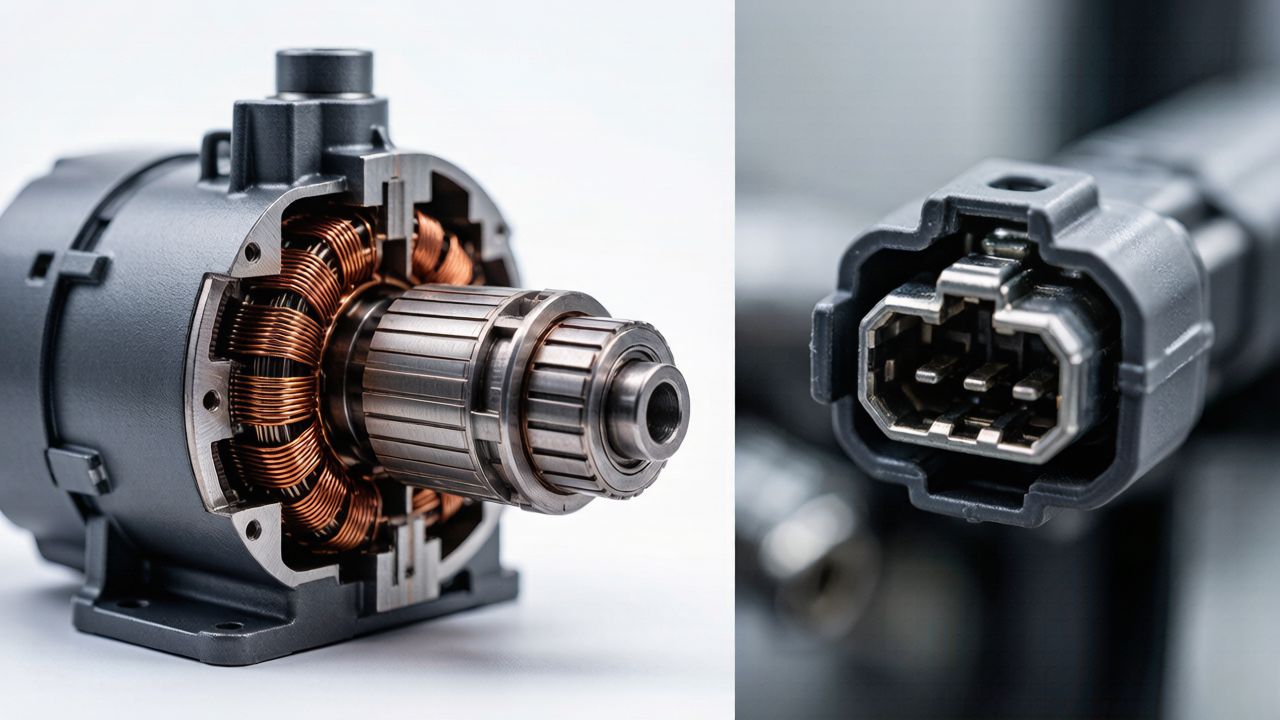
Why Terminal Precision Matters for Motors
Even tiny flaws in terminals create big problems:
Energy loss: Poor fit increases contact resistance, raising heat and lowering efficiency.
Connection failure: Vibration or thermal cycling causes loose contacts, leading to motor shutdowns.
Safety risks: Overheating from unstable connections can trigger short circuits.
Micro precision stamping solves these by delivering consistent dimensions, ultra-smooth surfaces, and reliable conductivity at scale.
How Micro Precision Stamping Improves Motor Efficiency
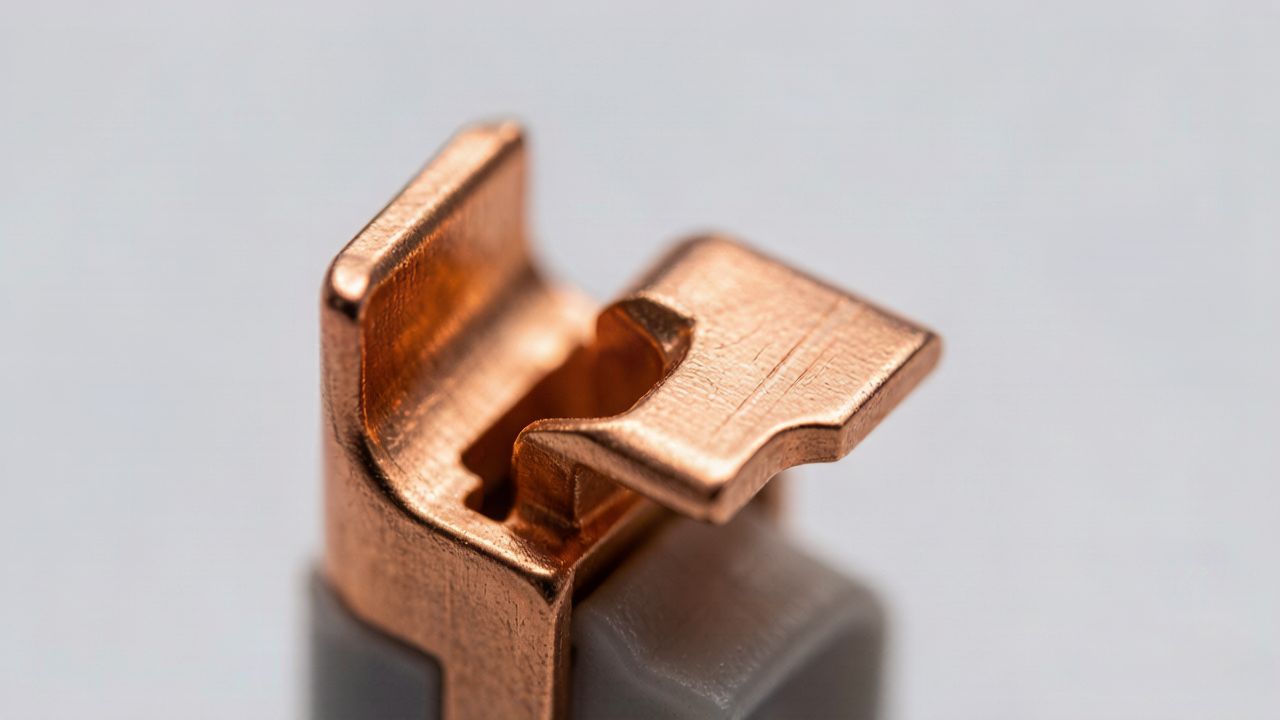
1. Low-Resistance Material & Design
Uses high-conductivity copper alloys (C19010/C19015, >90% IACS) to minimize power loss.
Precise geometry ensures optimal contact area, cutting contact resistance to 0.08 mΩ or lower.
Reduced heat generation allows motors to run cooler and consume less energy.
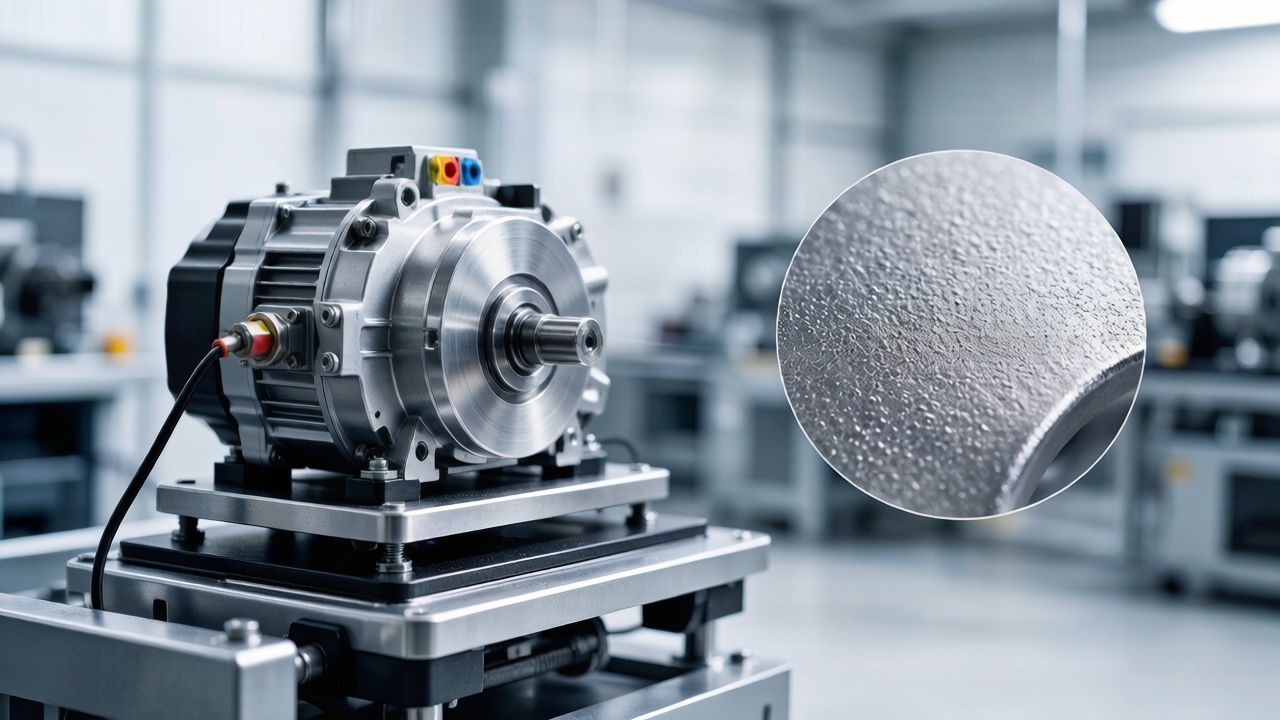
2. Zero-Defect Surface Quality
Stamped with ±0.01 mm tolerance and burrs under 5 μm, eliminating hot spots.
Smooth surfaces reduce friction and wear during assembly and operation.
3. Consistent Electrical Performance
High-speed progressive stamping (800–2000 SPM) ensures every terminal is identical.
Uniform current distribution across windings improves power density and efficiency.
How Micro Precision Stamping Enhances Motor Reliability
1. Superior Mechanical Stability
Precision dies (±0.005 mm) deliver tight, secure fits that resist vibration and thermal expansion.
High-strength copper alloys and Au/Ni or Ag/Sn plating boost durability in harsh conditions.
Withstands 10,000+ insertions and temperatures from -40°C to 200°C.
2. Corrosion & Oxidation Resistance
Advanced plating (Ag/Sn, Au/Ni) provides 500+ hours of salt spray resistance.
Prevents oxidation that degrades conductivity over time.
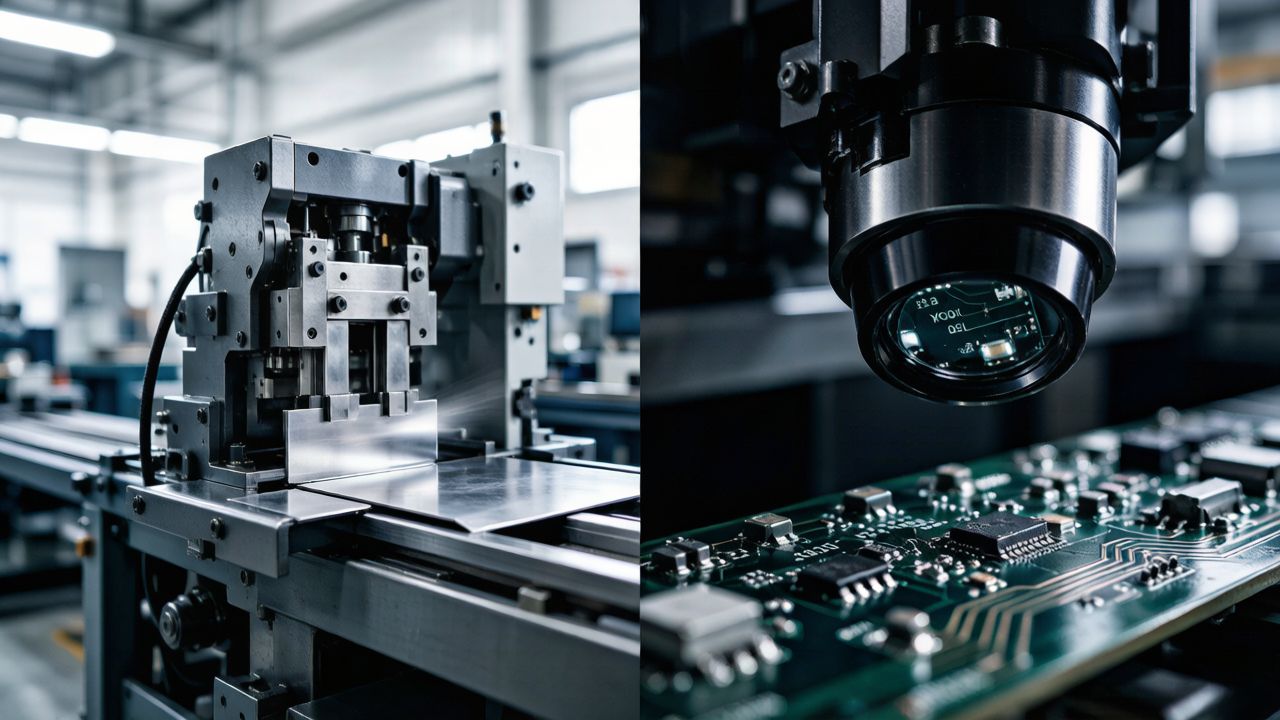
3. Strict Quality Control
100% inline inspection via machine vision and AOI catches defects in real time.
Statistical process control (SPC) ensures consistent quality with failure rates <0.05%.
Key Advantages for Manufacturers
Cost-effective: High-volume production with lower material waste than CNC machining.
Design flexibility: Creates complex terminal geometries for compact, high-power motors.
Scalability: Supports mass production without sacrificing precision.
Conclusion
Micro precision stamping transforms new energy motor terminals from simple connectors into high-performance components that directly drive efficiency and reliability. By combining micron accuracy, premium materials, and strict quality control, this process ensures motors deliver maximum power with minimal loss—critical for EVs, industrial automation, and renewable energy applications.
For motor manufacturers, partnering with a precision stamping expert isn’t just a choice—it’s a competitive advantage in the new energy era.
Basalt fiber, derived from volcanic basalt rock through a single-stage melting and extrusion process, is rapidly gaining traction as a high-performance reinforcement material across multiple industries. Unlike traditional glass or carbon fibers, basalt offers a unique balance of cost efficiency, mechanical strength, and environmental sustainability.
Superior Mechanical Properties
Basalt fiber exhibits tensile strength comparable to S-glass, with modulus values that can reach 89–110 GPa depending on the grade. Its operating temperature range (-260°C to 700°C) outperforms both E-glass and most carbon fiber variants, making it ideal for fire-resistant panels, thermal insulation systems, and aerospace components.
Chemical and Environmental Resistance
One of basalt fiber’s standout characteristics is its excellent resistance to chemical attack. It performs well in alkaline and acidic environments, enabling long service life in construction concrete reinforcement, marine structures, and chemical storage applications. Additionally, its natural origin means no boron or other fluxing agents are required during manufacturing — a significant environmental advantage over glass fiber production.
Cost-Effective Alternative
While carbon fiber delivers exceptional stiffness, it comes at a high cost. Basalt fiber provides a middle-ground solution — offering roughly 60–70% of carbon fiber’s stiffness at 20–30% of the cost. This makes it particularly attractive for automotive components, wind turbine blades, and infrastructure projects where weight reduction matters but budget constraints exist.
Emerging Applications
From FRP rebars replacing steel in concrete to basalt fabric used in ballistic protection and high-temperature filtration, the range of applications continues to expand. The growing focus on sustainable materials across the B2B industrial sector positions basalt fiber as a key enabling material for the next generation of composite solutions.